Ahmad stands at the edge of a palm oil plantation in Perak, the humid air thick with the scent of damp earth and ripening fruit. In his pocket, a smartphone buzzes with a notification about a drone strike thousands of miles away in the Middle East. He doesn't track the complex geopolitics of the Strait of Hormuz or the nuances of Tehran’s latest diplomatic maneuvers, but he knows one thing for certain: the price of the fertilizer he needs just climbed again. He looks at his trees and wonders if the rest of the world sees what he sees. He sees growth.
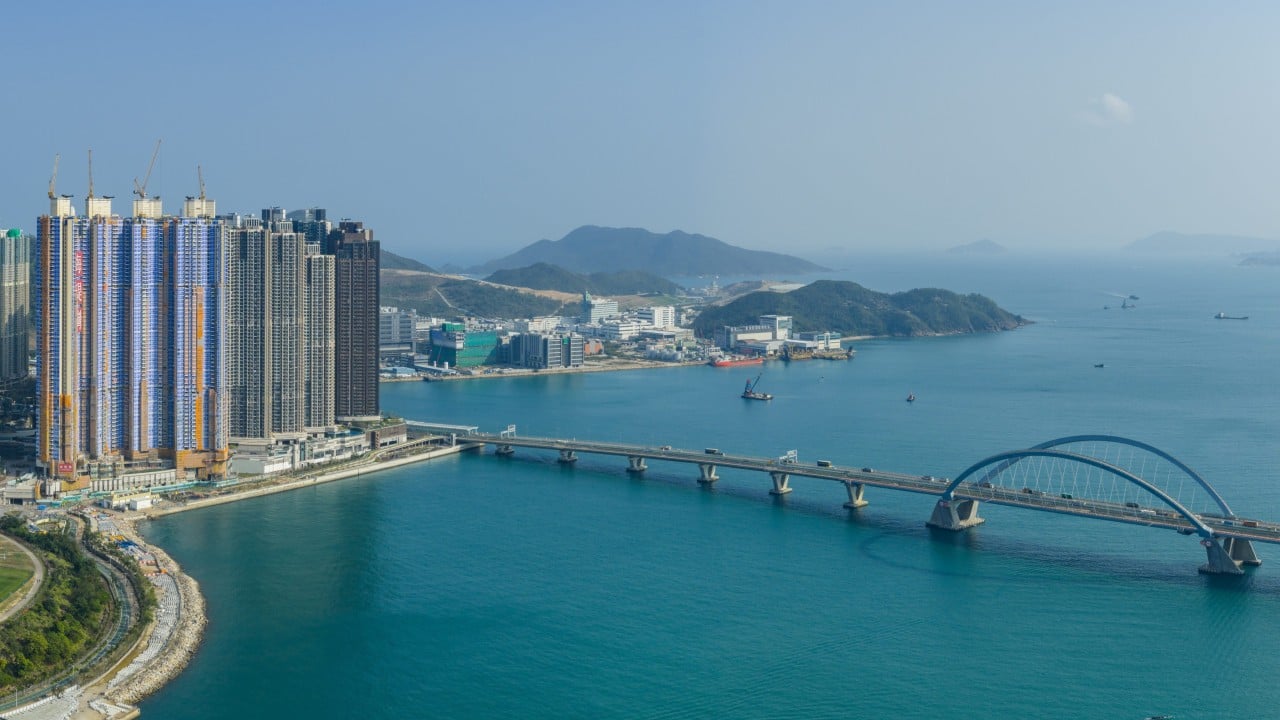
While global headlines scream of an escalating conflict between Iran and its neighbors, threatening to choke the world's energy supply, a different story is quietly unfolding in Kuala Lumpur. The numbers coming out of the Ministry of Finance aren't just dry data points. They are a defiance of gravity. Malaysia has recently adjusted its 2026 growth forecast upward, moving the needle to a projected $4.8%$ to $5.3%$. On paper, this looks like a rounding error. In reality, it is a bold bet on the survival of the middle class in a decade defined by chaos.
The tension is real. War has a way of making borders feel porous and markets feel brittle. When a missile flies in the Middle East, the shockwaves travel through fiber-optic cables and manifest as a dip in the ringgit or a spike in Brent Crude. Yet, Malaysia is positioning itself as the calm eye of the storm.
The Silicon Shield
Consider the geography of a modern smartphone. We often think of technology as something born in California and assembled in China, but the invisible glue that holds the digital world together often passes through the northern corridors of Penang. This is Malaysia’s "Silicon Shield."
As the conflict in the Middle East threatens traditional energy routes, the global appetite for high-end semiconductors and electrical components has only intensified. Malaysia accounts for roughly $13%$ of the world's semiconductor packaging and testing. If the world wants to keep its satellites in orbit and its AI servers humming, it needs Malaysia to stay online. This isn't just about microchips; it is about essential relevance.
The revised growth forecast reflects a surge in private investment that seems to ignore the war drums. Why? Because in a world where the West is "de-risking" from China and the Middle East is a powderkeg, Southeast Asia—and Malaysia specifically—is the neutral ground everyone is rushing to occupy.
The Crude Paradox
There is a dark irony in being an oil-exporting nation during a regional war. When Iran and its adversaries trade threats, the global price of oil climbs. For many nations, this is a death knell for recovery, a tax on every citizen who needs to get to work. But for Malaysia, as a net exporter of oil and gas, it creates a strange fiscal cushion.
But this cushion is thorny. Higher oil prices bring in revenue for the state-owned Petronas, yet they also threaten to blow a hole in the government’s subsidy bill. The man at the petrol station in Subang Jaya pays a price for fuel that is shielded from the true volatility of the market, but that shield is expensive to maintain. The government’s decision to raise the growth forecast suggests they believe they can manage this delicate internal balance: reaping the rewards of high global energy prices while pivoting the domestic economy toward more sustainable, diversified income streams.
They are betting that the "non-oil" sectors—manufacturing, services, and digital trade—will finally carry enough weight to offset any shock the war can throw at them. It is a transition from a resource-based economy to a knowledge-based one, happening in real-time under the shadow of heavy artillery.
The Human Cost of High Targets
Numbers don’t feel. People do.
If you walk through the night markets of Kuala Lumpur, the conversation isn't about GDP deflators or fiscal consolidation. It’s about the "Makan" index. It’s about the fact that a bowl of laksa costs two ringgit more than it did eighteen months ago. When the government announces a higher growth forecast, it sounds like a victory in a boardroom. To a family living in a high-rise in Batu Caves, it sounds like a promise that hasn't quite arrived in their mailbox yet.
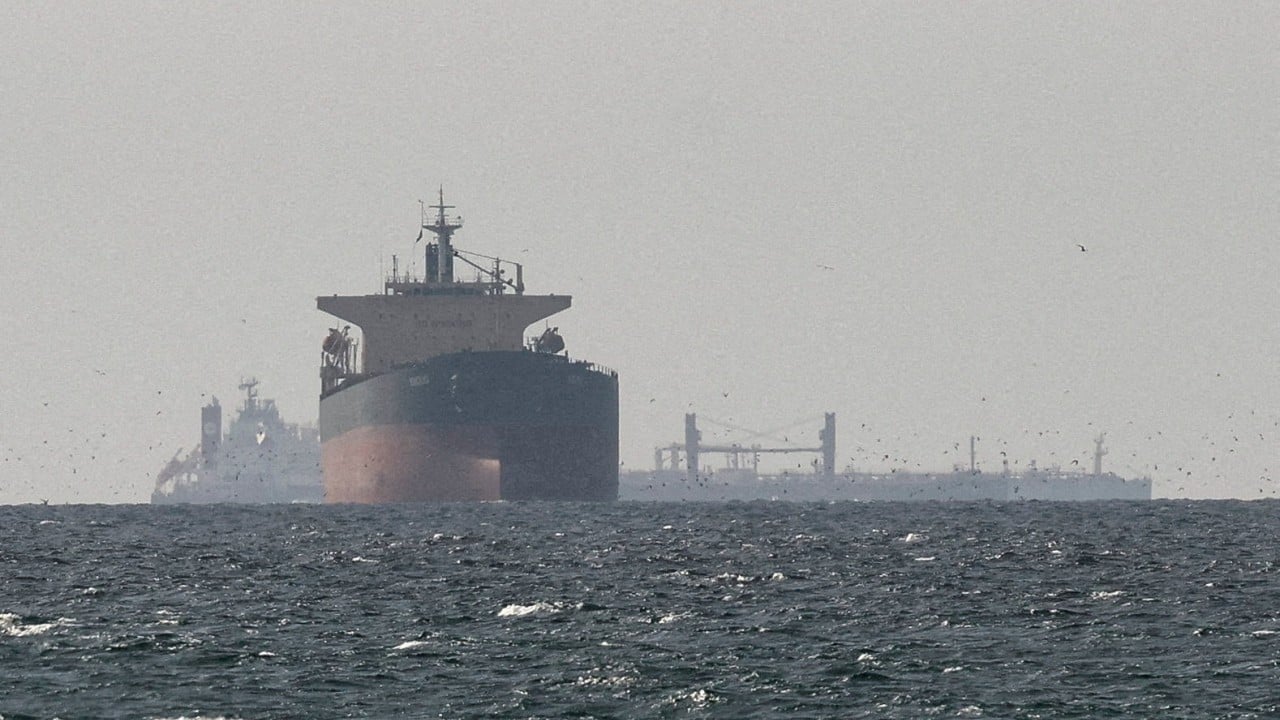
The risk of the Iran war isn't just a total cutoff of oil; it’s the lingering, grinding inflation that war creates. Shipping insurance premiums rise. Logistics routes are rerouted around the Cape of Good Hope. Everything becomes a little more difficult to move.
The $5%$ growth target is a signal to international investors that Malaysia is open for business, but it is also a high-wire act for the domestic population. To hit those numbers, the country must maintain its pace of exports while simultaneously asking its citizens to weather the storm of global price hikes. It requires a level of social cohesion that many Western democracies have long since lost.
Why the Pessimists Might Be Wrong
The skeptical view is easy to find. How can a nation thousands of miles away from a conflict claim to be thriving when the global economy is so interconnected?
The answer lies in the shift of the global center of gravity. For decades, when the Middle East sneezed, the world caught a cold. But the rise of intra-ASEAN trade has created a regional bubble of resilience. Malaysia isn't just trading with the US and Europe anymore. It is the heart of a Southeast Asian engine that is increasingly self-sustaining.
Think of it like a forest. When a fire breaks out on a distant mountain, the trees nearby are in immediate danger. But a healthy, diverse ecosystem further down the valley has its own water sources and its own internal climate. Malaysia has spent the last decade planting a variety of "trees"—from data centers to medical device manufacturing—to ensure that one fire doesn't burn down the whole house.
The 2026 forecast isn't just a guess; it's a statement of intent. It assumes that the demand for Malaysian goods will outweigh the logistical headaches of a regional war. It assumes that the world's shift toward "China Plus One" strategies—where companies look for a secondary manufacturing base outside of China—will continue to funnel billions into the Klang Valley and beyond.
The Invisible Stakes
What happens if they are wrong?
If the conflict in the Middle East expands into a full-scale maritime blockade, no amount of semiconductor expertise can save a nation from the total paralysis of global shipping. We live in a "just-in-time" world. Components for a car made in Shah Alam might come from twenty different countries. If one link snaps, the whole chain falls limp.
The Malaysian government is gambling on the idea that the "war risks" are a manageable variable rather than a total system failure. It’s a terrifyingly thin line. They are banking on the hope that the world’s appetite for progress is greater than its appetite for destruction.
We often talk about the economy as if it were a machine, something we can tune with interest rates and tax incentives. It isn't. It is a collective hallucination fueled by confidence. If everyone believes Malaysia will grow by $5%$, they invest as if it will, and the belief becomes a self-fulfilling prophecy. The moment that confidence wavers, the machine seizes up.
The Resilience of the Quiet
Back in the palm oil grove, Ahmad wipes sweat from his forehead. He doesn't know about the "Silicon Shield" or the strategic importance of the 2026 forecast. But he knows that his son just got a job at a new electronics plant in the city. He knows that the road to his village was recently paved. He knows that despite the scary images on the news, there is work to be done.
The real story of Malaysia’s growth isn't found in the speeches of politicians or the white papers of economists. It is found in the stubborn persistence of people who refuse to let a distant war dictate their future. It is found in the factories that run three shifts a day and the entrepreneurs who see a gap in the market and fill it.
The war in the Middle East is a tragedy of human history, a repeating cycle of violence that threatens to pull the world backward. But the upward revision of a growth forecast in a tropical nation half a world away is a quiet, rhythmic pulse of the future. It is a reminder that while some parts of the world are intent on breaking things, others are obsessively, quietly, and successfully building.
The risk is enormous. The stakes are invisible. But the growth is real.
Malaysia is moving forward, not because the world is at peace, but because it has learned how to thrive in the noise. The 2026 target is more than a number. It is a refusal to be a victim of geography.
In the end, the graph of a nation's GDP is just a long, jagged line representing millions of individual decisions to keep going. As long as those decisions continue, the forecast remains more than just a dream. It remains a blueprint.
Ahmad starts his motorbike, the engine kicking to life with a puff of blue smoke. He has a harvest to manage. The world might be on fire, but the fruit is heavy on the trees, and someone, somewhere, is waiting for it.