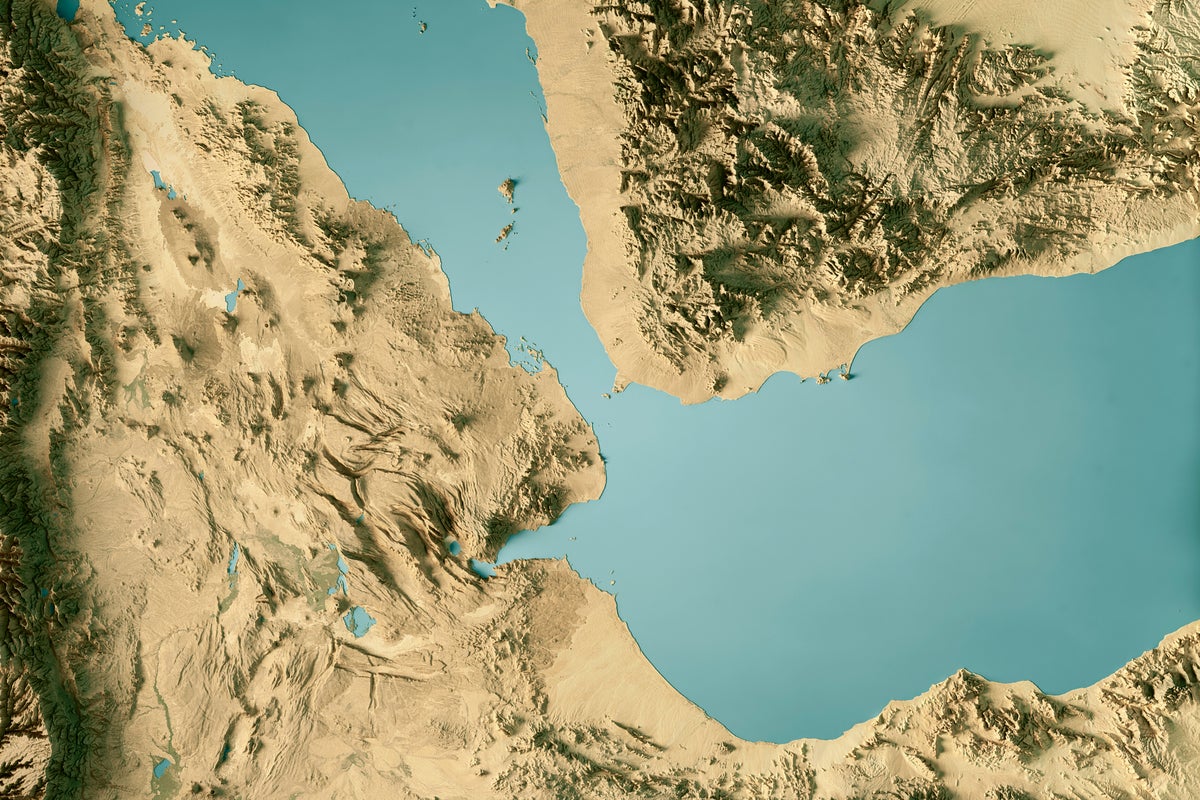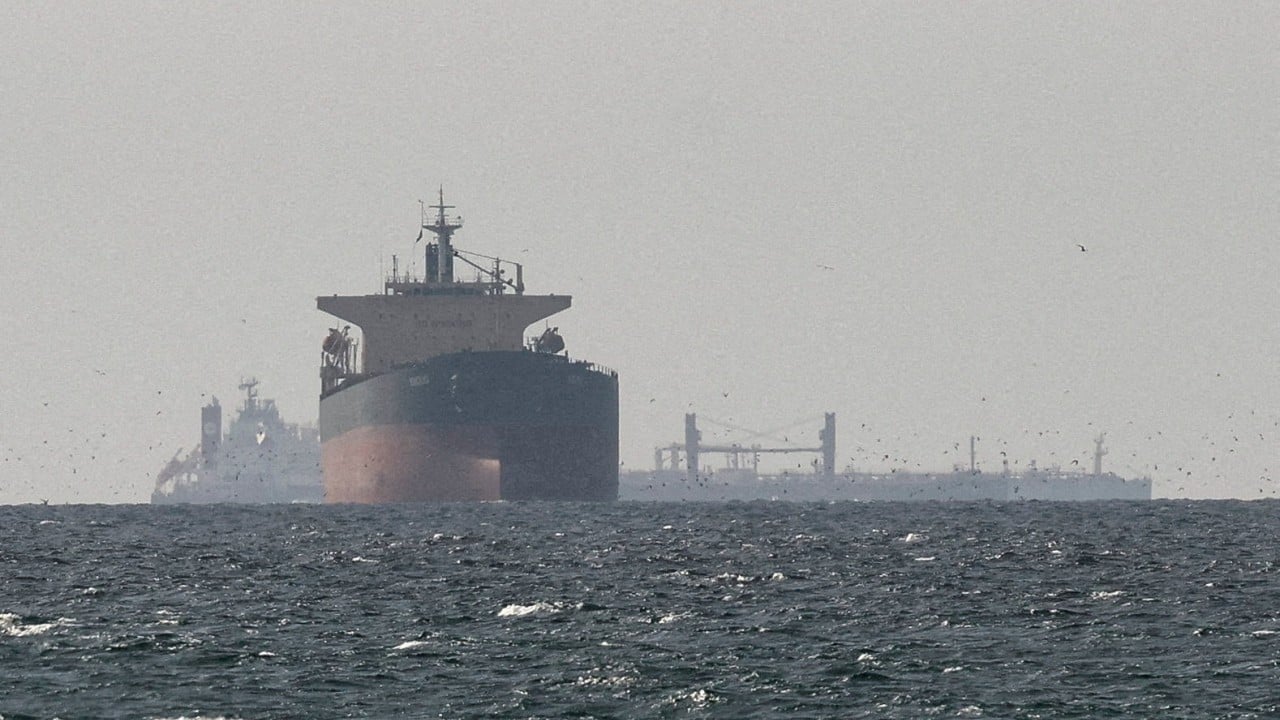
The Strait of Hormuz is effectively a no-go zone for most of the world right now, but China is starting to flex its unique diplomatic muscles to keep its energy and trade flowing. While the rest of the shipping world is staring at a map of a choked waterway, two massive Chinese container ships—the CSCL Indian Ocean and the CSCL Arctic Ocean—just made it out. They didn't just drift through by luck; they did it on their second try after a failed attempt last Friday, proving that even "friendly" status with Iran doesn't mean a free pass without some serious coordination.
If you're wondering why this matters to your wallet or the global economy, it's because this 21-mile-wide pinch point carries about 20% of the world's oil. When it closes, the world holds its breath. But PetroChina, Asia's biggest oil producer, just shrugged. Chairman Dai Houliang basically told the market to relax, noting that only 10% of their supply relies on that specific route. In a world where gas prices are jumping, that’s a bold stance to take. Learn more on a related topic: this related article.
The Reality of the Chinese Safe Passage
It's easy to read a headline about "safe passage" and think the gates are wide open. They aren't. These two COSCO-owned ships had to turn back on March 27 because the "guarantees" from Tehran didn't translate to immediate safety on the water. It took another three days of back-and-forth for them to finally clear the strait on Monday, March 30.
What's interesting is the "third ship" mentioned by Beijing. Foreign Ministry spokeswoman Mao Ning was quick to express gratitude for the "assistance" provided by relevant parties, but she was notably vague about the details. This isn't just about moving cargo; it’s a high-stakes game of maritime chess. While Western tankers are being hit by drones or forced to anchor, China is using its position as Iran's biggest oil buyer to carve out a private lane. Further reporting by MarketWatch delves into similar perspectives on the subject.
Why PetroChina is Standing Firm
You’d expect a company of this size to be sweating when a major trade artery is severed. Instead, PetroChina is leaning on a diversified portfolio that many Western firms simply don't have. Here is how they’re actually staying stable:
- Domestic Muscle: A huge chunk of their processing comes from China’s own soil. They aren't just importers; they’re massive producers at home.
- The Russian Connection: Pipeline gas from Russia and Central Asia doesn't care about what happens in the Persian Gulf. Those land-based routes are worth their weight in gold right now.
- Long-term Equity: They own stakes in projects all over the world, from Africa to South America, that bypass the Middle East entirely.
Compare this to Sinopec, China’s largest refiner. Sinopec is hurting. They don't have the same upstream cushion, so they’ve had to scale back production because they simply can't get enough Middle Eastern crude at a price that makes sense. It’s a tale of two giants: one built to survive a blockade, and the other struggling to adapt to the "new normal" of 2026.
The Invisible Tactics in the Strait
The ships that are making it through aren't just sailing normally. We're seeing a trend where vessels use "dark" tactics—switching off AIS transponders or only moving under the cover of night. Even the Chinese ships that moved this week stayed close to the Iranian-controlled island of Larak, likely following a very specific, pre-approved path to avoid the mines and drones that have plagued other vessels.
It’s not just Chinese ships, either. A few Indian-flagged tankers carrying cooking gas and a Thai oil tanker managed to squeak through after heavy diplomatic lifting. But these are the exceptions. For the average shipowner, the insurance premiums alone are enough to kill a voyage. When maritime insurers cancel "war risk" cover, you know the situation is more than just "tense."
Assessing the Global Fallout
If this "effective closure" drags on, the 10% PetroChina mentions might stay stable, but the other 90% of the world’s shipping won't. We're already seeing:
- Refinery Cuts: Across Asia, petrochemical plants are lowering their output because the "feedstock" (crude oil) is stuck behind a blockade.
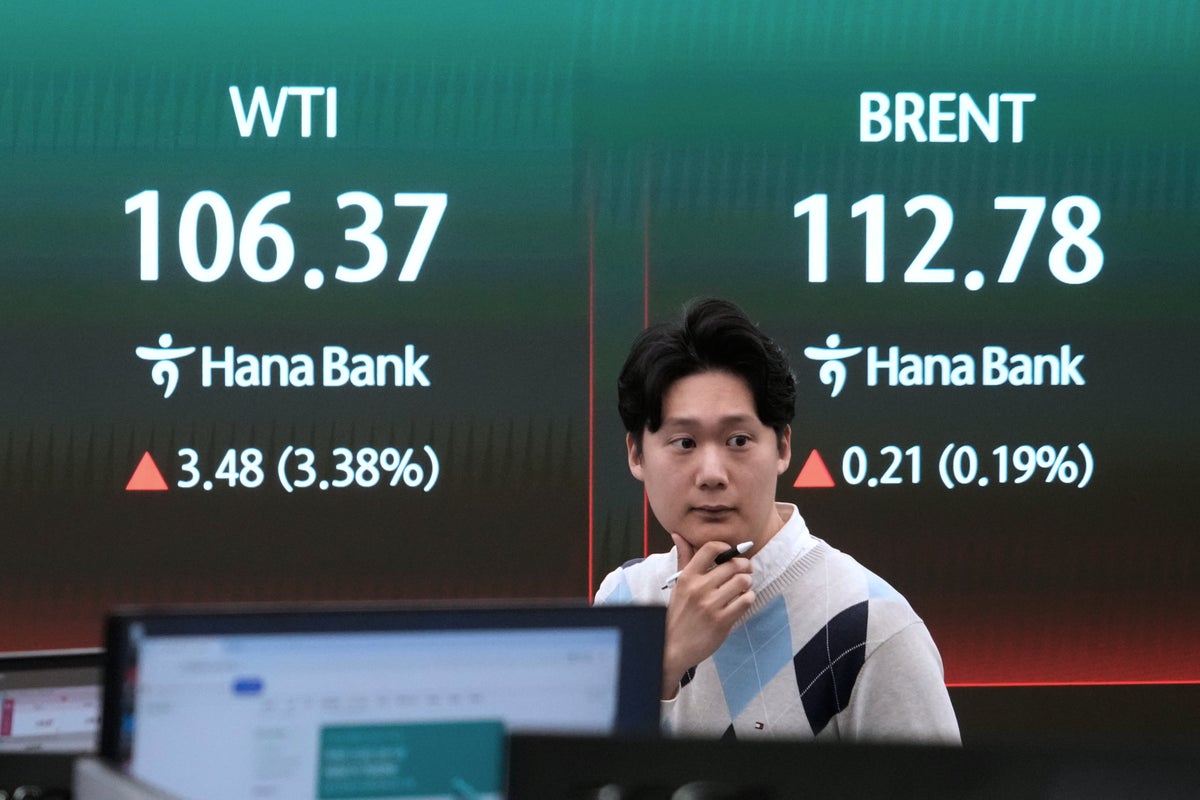
- Price Spikes: Even if a company like PetroChina says they're fine, the global price of oil reacts to the perception of scarcity. You’re still paying more at the pump.
- Alternative Tech: Interestingly, higher petrol prices are actually speeding up the used EV market in Europe. People are tired of being held hostage by the Strait of Hormuz.
What You Should Watch Next
Don't look at the ships; look at the contracts. PetroChina’s ability to stay "overall normal" depends on their trading desk's ability to swap Middle Eastern barrels for supplies from elsewhere. If you're invested in energy or shipping, the "safe passage" for Chinese ships is a signal, but it’s not a solution for the rest of the market.
If you're managing a supply chain or an investment portfolio, stop waiting for the Strait to "reopen" in the traditional sense. It's likely to remain a fragmented, "permission-based" waterway for months. Focus on companies with land-based pipeline access or high domestic production ratios. Those are the only ones that can truly claim their operations are stable in this climate.
Check your exposure to refiners like Sinopec who lack that upstream hedge. The gap between those who own the oil and those who just buy it has never been wider. Stick to the producers who don't need a permission slip from Tehran to keep the lights on.