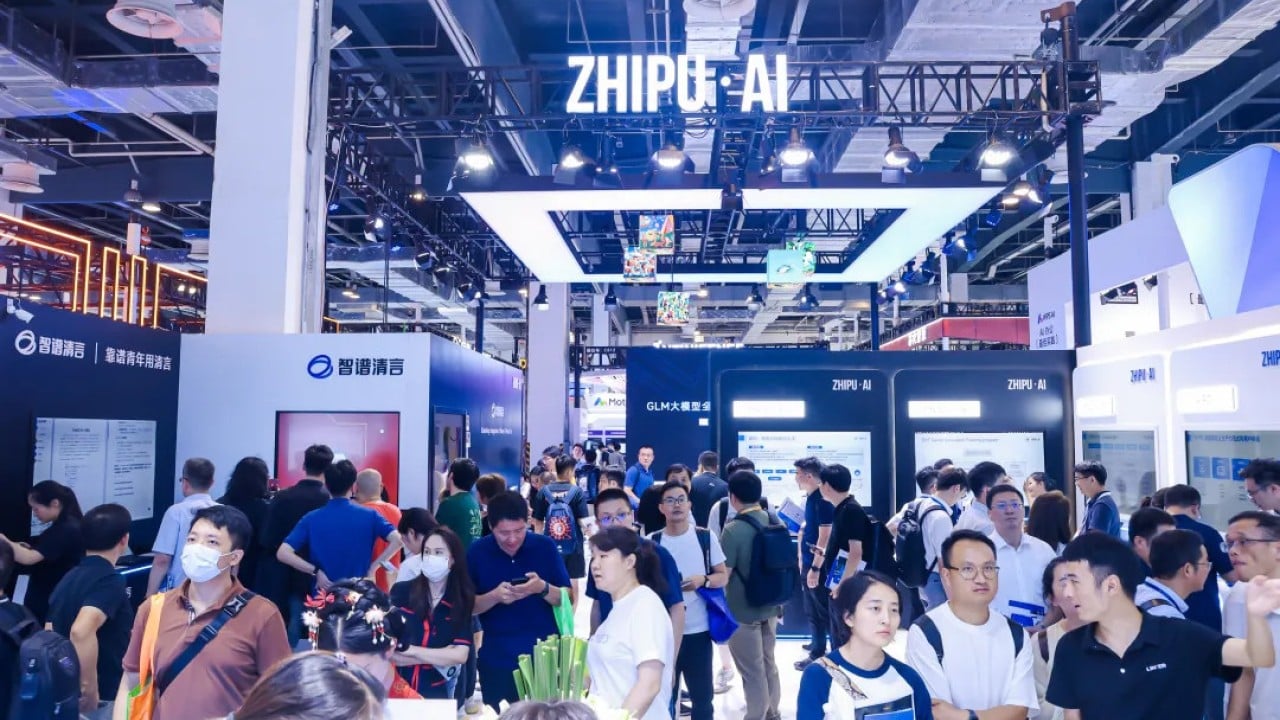
Zhipu AI just dropped its first annual report since going public, and the numbers are a wild ride. Revenue skyrocketed by 131.9 percent to 724 million yuan in 2025. That sounds like a victory lap, right? Not quite. Despite that massive triple-digit jump, the company actually missed analyst estimates. If you’re wondering how a company more than doubles its money and still leaves Wall Street (and the Hong Kong Stock Exchange) feeling cold, you have to look at the massive gap between growth and the cost of staying relevant in the AI arms race.
I've watched dozens of tech IPOs, and there's a recurring pattern. Investors get drunk on the "growth at all costs" narrative until the bill comes due. For Zhipu—often called one of China’s "AI Tigers"—the bill is eye-watering. The company posted a net loss of 4.72 billion yuan for 2025. That’s a deep hole compared to the 2.96 billion yuan they lost the year before.
The cost of playing catch up with OpenAI
The real story isn't the revenue miss. It’s the R&D spending. Zhipu poured 3.18 billion yuan into research and development last year. That’s a 45 percent increase year-over-year. Think about that for a second. They are spending more than four times their total revenue just to keep the lights on in the lab.
They aren't just burning cash for the sake of it, though. The money went into the GLM-5 model, which launched in February 2026. This is their big bet to match the performance of U.S. giants like OpenAI and Anthropic. In a world where every two months brings a "new best model," standing still is effectively moving backward. If you aren't spending billions, you aren't even in the game.
Local chips and the price hike pivot
One of the most interesting details from the earnings call was how Zhipu is handling the global chip shortage and trade restrictions. CEO Zhang Peng admitted they're accelerating their pivot to domestic Chinese chips. This isn't just about politics; it’s about survival. They claim their GLM series can now run on local hardware with efficiency that rivals top-tier foreign silicon.
But here’s the kicker: demand is so high that they actually hiked their API call prices by 83 percent in the first quarter of 2026. Usually, in a "price war," you see companies slashing rates to grab market share. Zhipu is doing the opposite because they literally can't keep up with the volume of requests. Their API traffic surged 400 percent recently.
Where the money is actually coming from
- On-premise deployment: This is their bread and butter. They sell models for companies to install on their own local servers. This brought in 533.9 million yuan, up over 100 percent.
- Cloud API services: This is the "Model as a Service" (MaaS) side. It climbed to 190.4 million yuan.
- Global expansion: They’ve rebranded as Z.ai internationally and are pushing hard into Southeast Asia.
Why the market is nervous
Investors hate uncertainty, and Zhipu has plenty of it. Even though they raised HK$4.35 billion in their January 2026 IPO, the stock has been volatile. It fell 23 percent in late February after reports of compute resource shortages. Basically, they had too many users and not enough "brain power" to serve them.
You also have to look at the competition. They aren't just fighting Alibaba and Tencent. They’re fighting other hungry startups like MiniMax and DeepSeek. MiniMax, for instance, lost a staggering $1.87 billion in 2025. When your competitors are willing to bleed that much cash, your "132 percent revenue growth" starts to look like a drop in the bucket.
What this means for the AI bubble
If you're holding Zhipu stock or thinking about it, don't expect a smooth ride. The company says it expects to reach profitability eventually through "operating efficiency," but they won't give a timeline. Honestly, nobody in this sector can.
The move to raise API prices is a bold signal. It tells us that the "free-for-all" era of cheap AI might be ending sooner than we thought. If a company with triple-digit growth still misses estimates, the bar for "success" in AI is moving higher every single day.
Keep a close eye on their "Agentic Engineering" phase with GLM-5. If they can prove that these models can actually automate complex work—rather than just writing clever emails—the revenue might finally catch up to the massive R&D burn. Until then, they’re just another high-speed jet running dangerously low on fuel.
Check the latest Hong Kong exchange filings for the specific breakdown of their institutional vs. individual user growth. If the enterprise side (on-premise) keeps doubling, they might have a moat. If not, they're just another API provider in a crowded room.