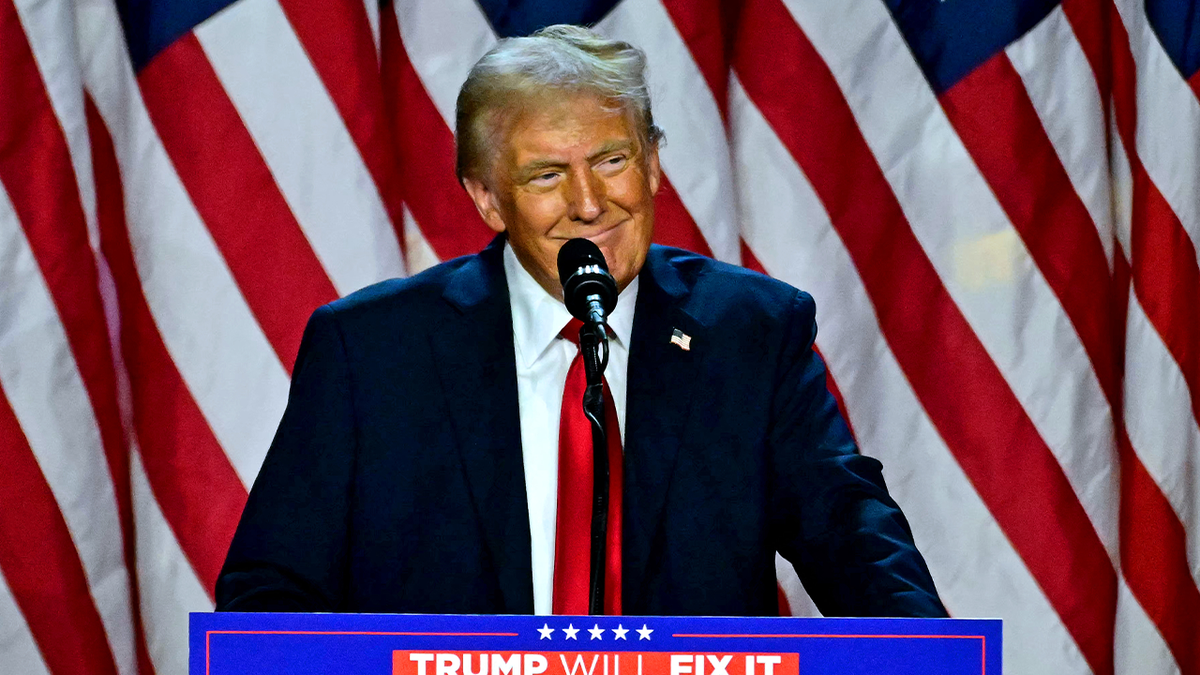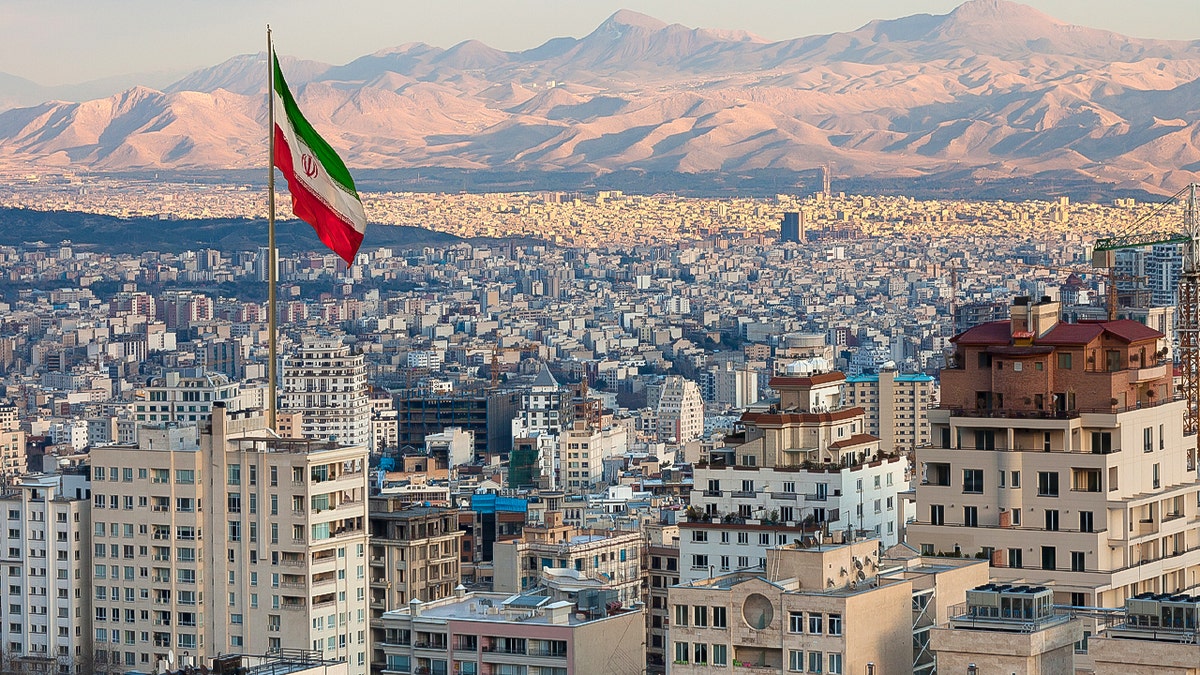
Geopolitics is currently obsessed with a fantasy. The latest whispers suggesting Donald Trump is eyeing a "deal" with Iran, potentially facilitated by an obscure "US man in Tehran," represent a profound misunderstanding of how power actually functions in the Islamic Republic. While mainstream outlets like Telegraph India chase the shiny object of a hand-picked successor or a grand diplomatic bargain, they are missing the structural concrete that makes such a "deal" a physical impossibility under current conditions.
The consensus is lazy. It assumes that if you find the right moderate, or the right exiled son of a former Shah, or the right disgruntled cleric, you can flip Iran like a distressed real estate asset. This isn't just wrong; it’s dangerous.
The Puppet Master Fallacy
The idea that the US can "float" a new leader for Iran is a relic of 1953 thinking that has no place in 2026. Power in Iran is not held by a single replaceable figurehead. It is a distributed network of ideological and economic interests controlled by the Islamic Revolutionary Guard Corps (IRGC).
I have spent years watching analysts try to map the "moderate vs. hardliner" divide as if it’s a parliamentary debate in London. It isn't. It’s a protection racket. The IRGC doesn't just manage the borders; they own the docks, the telecommunications, and the construction firms. They are a multi-billion dollar conglomerate with a private army.
If Trump, or any US president, thinks they can negotiate a deal that bypasses this deep state, they are effectively trying to buy a house from a tenant who doesn't own the deed. Any "new leader" floated by Washington is dead on arrival—either literally or politically—the moment they are identified as "the US man."
Why Sanctions Failed to Break the Machine
The standard "Maximum Pressure" narrative suggests that if we just squeeze the economy hard enough, the people will rise up and install a pro-Western government. This ignores the Sanctions-Industrial Complex.
When you cut a country off from global markets, you don't destroy the elites; you grant them a monopoly on the black market. I’ve seen this play out in multiple jurisdictions. Sanctions create a scarcity premium. Who controls the smuggling routes? The IRGC. Who controls the currency exchange? The state-linked cartels.
The Iranian economy isn't "failing" in the eyes of those in power; it is being "optimized" for their survival. A "deal" that brings Iran back into the global financial fold actually threatens the IRGC’s monopoly. Why would they agree to a deal that introduces competition from Western firms like Total or BP? They wouldn't. They prefer a hungry, isolated population that is entirely dependent on state-managed smuggling.
The Nuclear Brinkmanship is a Sales Pitch
We need to stop treating the nuclear program as a purely military objective. It is the ultimate insurance policy and the greatest negotiation leverage in history.
Imagine a scenario where Iran actually gives up its nuclear ambitions entirely. What happens the next day? They lose their seat at the big table. They become another regional middle-power like Egypt or Pakistan, subject to the whims of global oil prices without the "nuclear bogeyman" card to play.
The regime knows that the threat of the bomb is more valuable than the bomb itself. The moment they test a device, the mystery is gone and the target on their back becomes a bullseye. The moment they give it up, they are irrelevant. The "deal" people keep talking about assumes Iran wants to be a "normal" country. They don't. They want to be a revolutionary power center. Normality is a death sentence for the current leadership.
The Israel-Iran Shadow Play
The media loves the "Israel is pushing for a deal" or "Israel is pushing for war" binary. It’s more complex and more cynical.
For the Israeli security establishment, a perpetual, manageable threat from Iran is a powerful tool for domestic unity and securing US military aid. Conversely, for Tehran, "The Zionist Entity" is the only thing keeping their fractured domestic population from looking too closely at their bank accounts.
They need each other.
When reports surface about "buzz from Israel" regarding a new leader in Tehran, it’s usually a psychological operation designed to sow paranoia within the Iranian intelligence services. If I want to get an Iranian general arrested, I don't kill him; I leak a story to the press that he’s my favorite candidate for the presidency. The regime will do the rest of the work for me.
The Strategic Error of "The US Man"
The obsession with finding a "US man" is a hallmark of American foreign policy failure. From Vietnam to Iraq to Afghanistan, the "our guy" strategy has a 0% success rate.
- Illegitimacy: A leader perceived as a Western puppet has no domestic mandate.
- Intelligence Leaks: "Our guy" is always the first person the local secret police monitor.
- Escalation: Identifying a successor triggers a purge within the existing power structure, usually resulting in the most radical elements rising to the top to prove their loyalty.
Instead of looking for a leader, we should be looking at the plumbing. The only way the Iranian status quo shifts is if the IRGC's economic interests are decoupled from the regime's ideological survival. That requires a level of surgical financial warfare that no administration has yet had the stomach to execute because it would destabilize global energy markets.
Stop Asking "When Will the Regime Fall?"
People also ask: "Can the Iranian youth overthrow the government?"
The honest, brutal answer is: Not as long as the IRGC is paid in hard currency.
Protests are a symptom of dissatisfaction, but they are not a mechanism of regime change in a police state that is willing to kill thousands of its own citizens to stay in power. The Iranian youth are brave, tech-savvy, and largely pro-Western, but they don't have the tanks.
Actionable advice for anyone looking to understand the "Tehran Deal" buzz? Follow the money, not the diplomats. Watch the price of oil and the movement of shadow tankers in the Malacca Strait. If the money keeps flowing to the IRGC through Chinese intermediaries, no amount of "secret meetings" in Geneva or "new leaders" floated in the press will change the reality on the ground.
Washington isn't looking for a deal; they are looking for an exit strategy that looks like a victory. Tehran isn't looking for a deal; they are looking for a reprieve that allows them to finish their work. Everything else is theater.
Stop waiting for a "Grand Bargain." The house is on fire, and the architects are arguing over the color of the curtains.