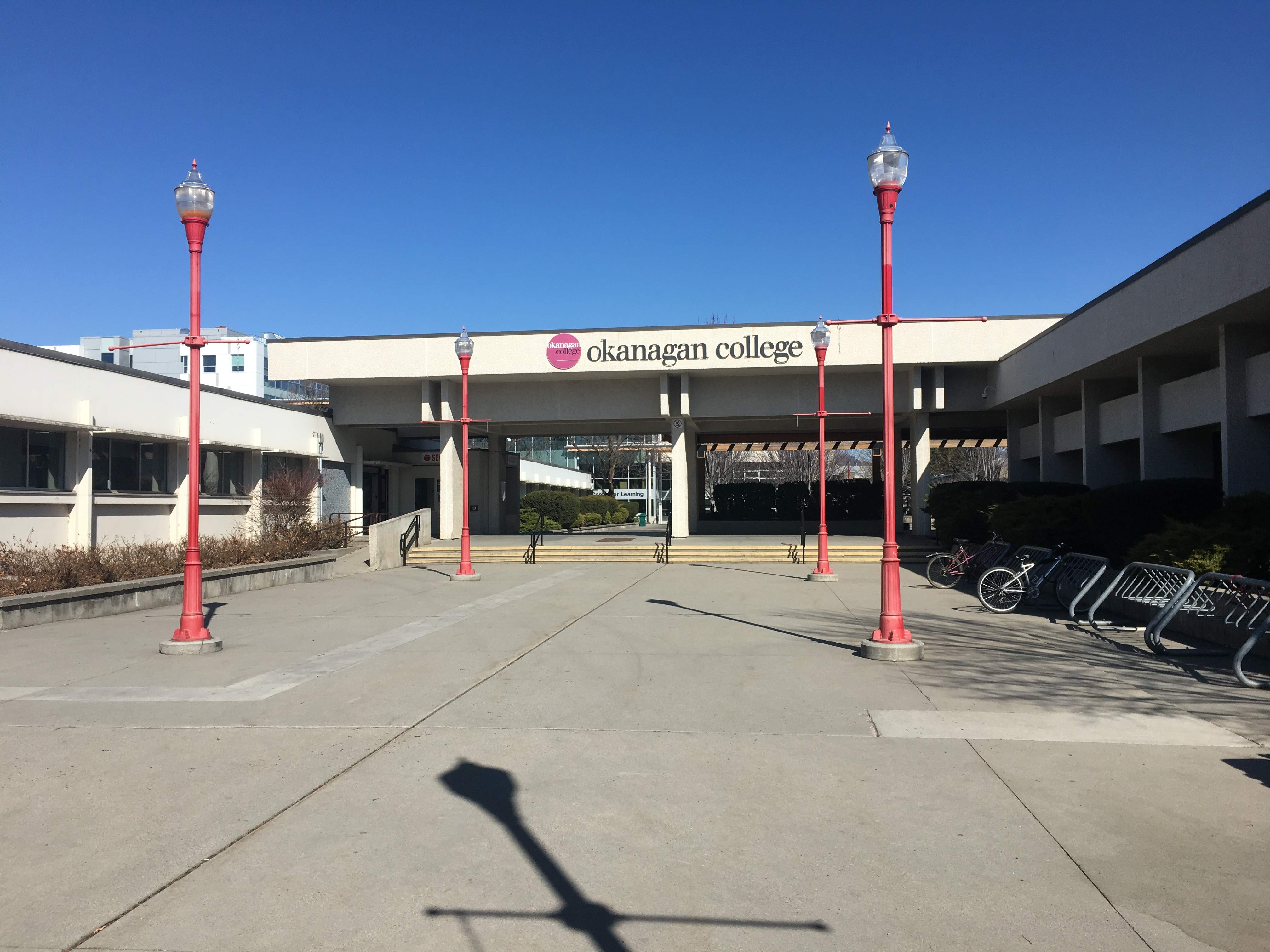
Workers at Okanagan College finally have a reason to breathe. After months of stress and uncertainty, an arbitrator recently decided that the college jumped the gun on layoffs, violating the collective agreement in the process. It's a massive win for the BC General Employees’ Union (BCGEU) and a sobering reminder for public institutions that "fiscal necessity" isn't a magic wand that makes legal contracts disappear.
If you've been following the tension at the college, you know this wasn't just about a few desks being moved around. We're talking about the livelihoods of people who keep the institution running. The ruling basically says the college failed to explore every other option before swinging the axe.
What the Arbitrator Found in the Layoff Dispute
The core of the issue was how the college handled the termination of several staff members. Under a union contract, there's a specific sequence of events that has to happen before you can just let people go. You don't get to skip steps because the budget looks messy. The arbitrator was clear. The college breached the contract by not following the layoff and recall language they'd already agreed to.
It’s about fairness. When a worker signs a contract, they expect the rules to apply to the employer just as much as they apply to the employee. In this case, the college tried to argue that their actions were justified by financial pressures. The arbitrator didn't buy it. You can't just ignore a signed agreement because you're having a bad quarter.
This decision forces the college to look at the human cost of their administrative choices. For the BCGEU members, this is more than just a legal victory. It’s a validation of their worth. They aren't just line items on a spreadsheet. They're the backbone of the student experience in the Okanagan.
Why Public Institutions Keep Getting This Wrong
You’d think a college would understand how to read a contract. But we see this over and over in the public sector. Management feels the squeeze from provincial funding or declining enrollment and their first instinct is to cut labor costs. It's the easiest lever to pull. Or so they think.
The problem is that these institutions often underestimate the strength of their own collective agreements. They assume that if they show a "good faith" effort to save money, the union will just roll over. They're wrong. Labor laws in British Columbia are robust for a reason. They protect workers from arbitrary decisions made behind closed doors.
Honestly, it's a bit exhausting to see the same mistakes repeated. The college spent money on legal fees to defend a breach of contract that they could have avoided by just sitting down with the union in the first place. That’s taxpayer money and tuition dollars going toward an avoidable legal battle instead of, you know, education.
The Specifics of the Contract Breach
The arbitrator's report highlighted that the college didn't properly engage in the "consultation" phase required by the agreement. This isn't just a polite chat over coffee. It’s a rigorous process where the employer has to prove that layoffs are the absolute last resort.
- Lack of alternatives: The college failed to demonstrate they looked at attrition, early retirement, or reducing non-essential spending first.
- Seniority rights: There were questions about whether the right people were being let go according to the seniority list.
- Recall procedures: The plan for how people could get their jobs back if things improved was murky at best.
When you ignore these pillars of a union contract, you’re asking for trouble. The ruling sends a message to other post-secondary institutions in B.C. If you’re going to cut staff, you better have your ducks in a row. If you don't, you'll end up paying for it later.
Moving Toward Real Solutions for Staff and Students
The fallout from this isn't over. Now comes the hard part of figuring out how to make things right for the affected staff. Back pay, reinstatement, and damaged morale are all on the table. The college needs to do more than just follow the ruling. They need to rebuild trust.
Trust is hard to earn and incredibly easy to set on fire. The staff at Okanagan College have been through the wringer. They’ve had to work under the shadow of these layoffs while trying to support students who are also feeling the tension. You can't expect people to give their best when they think their boss is looking for a loophole to fire them.
What should happen next? The college administration needs to stop treating the union like an adversary. The BCGEU isn't trying to bankrupt the school. They're trying to ensure the people who work there are treated with the respect the contract demands. Collaborative budgeting isn't a sign of weakness. It's how healthy organizations survive lean times.
How Other Unions Can Use This Win
This case is a blueprint for other locals facing similar threats. It proves that the "fiscal crisis" defense isn't a get-out-of-jail-free card for management. If you’re a worker in a similar spot, keep these points in mind.
First, document everything. If your employer says they’re "considering" layoffs, start asking for the data they're basing that on. Second, lean on your shop stewards. They know the contract better than management does half the time. Third, don't be afraid to push for arbitration. It’s a long and annoying process, but as the Okanagan College staff just proved, it works.
Labor history is full of these moments. One side tries to squeeze a little more out of the workers to balance the books, and the workers have to stand their ground to remind everyone that a contract is a binding promise.
The college has a chance to turn this around. They can use this ruling as a reset button. Instead of fighting the union in court, they can start working with them to find sustainable ways to manage the budget. That’s the only way forward that doesn't involve more lawsuits and more miserable staff meetings.
If you’re a student or a member of the Okanagan community, you should care about this too. The quality of education is directly tied to the stability of the people providing it. When the staff are protected and respected, the students get a better experience. It’s that simple.
Stop looking for shortcuts in the fine print. Start following the agreement you signed. The staff at Okanagan College earned this win, and it’s time for the administration to step up and honor it.