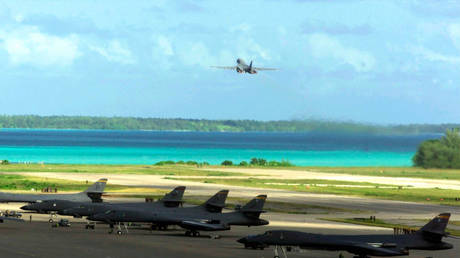
The peace talks in Pakistan didn't just fail; they went up in flames. Now, we’re staring at a maritime standoff that makes previous tanker wars look like a bathtub skirmish. On Monday morning, April 13, 2026, the US military officially pulled the trigger on a naval blockade targeting every single Iranian port. This isn't just another round of sanctions. It’s a physical wall of warships designed to choke the Iranian economy until it gasps.
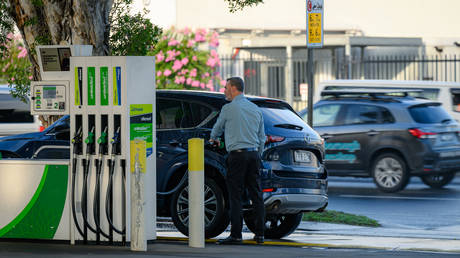
If you’re wondering why gas prices just jumped at your local station, this is it. The Strait of Hormuz, which usually sees 100 to 135 ships a day, has turned into a ghost town. Only about 40 vessels have dared to cross since the shaky ceasefire began last week.
The High Stakes of a Shipping Shutdown
The logic from the White House is blunt. President Trump wants to force Tehran back to the table by cutting off their "dark transits"—those off-the-radar oil shipments that have been keeping the Iranian regime's lights on since the war started on February 28. But Iran isn't just sitting back. They've countered with a "if we can't play, nobody can" strategy.
Tehran’s message is clear: if Iranian ports are blocked, no port in the Persian Gulf or the Gulf of Oman is safe. We’re talking about massive hubs in the UAE, Saudi Arabia, and Qatar. This isn't a hollow threat. Iran has already shown it can use drones, mines, and "fast attack" boats to make life miserable for anyone on the water.
What the US Blockade Actually Looks Like
CENTCOM announced the blockade started at 10 a.m. EDT. Here's the catch: they aren't blocking the entire Strait of Hormuz—yet. They're specifically targeting ships going to or coming from Iran.
- Impartial Enforcement: The US says it’ll stop vessels from any nation if they're headed to Iranian docks.
- Transit Rights: Ships moving between non-Iranian ports (like a tanker going from Kuwait to Japan) are technically allowed through.
- The Kill Zone: Trump hasn't minced words. He’s warned that any Iranian "fast attack" ships approaching the blockade will be "eliminated" immediately.
This "limited" blockade is a tactical step down from earlier threats to shut the whole waterway, but it’s still a massive gamble. It assumes Iran won't just sink a random tanker in retaliation to prove a point.
Why the Pakistan Talks Collapsed
You’d think after a war that’s already killed over 3,000 people in Iran and dozens across the Gulf, both sides would be desperate for a deal. They aren't. Vice President JD Vance walked away from the Islamabad negotiations because Iran wouldn't budge on its nuclear program.
Iran wants two things: cold hard cash for the damage caused by US-Israeli strikes and the release of their frozen assets. The US wants a total dismantling of Iran's nuclear infrastructure. Neither side is blinking.
The Nuclear Sticking Point
The US "red lines" are basically a demand for unconditional surrender on the nuclear front. They want Iran to stop all uranium enrichment and hand over their existing stockpiles. For Tehran, that’s a non-starter. They see their nuclear program as the only thing keeping them from a full-scale invasion.
The Economic Earthquake Nobody Asked For
The global economy is already reeling. Since the war began, we’ve seen the biggest oil supply disruption since the 1970s. We aren't just talking about a few cents at the pump. We’re talking about the cost of food and basic goods skyrocketing because shipping insurance has become unaffordable.
Most major shipping firms have already suspended operations in the area. When insurance companies see "sea mines" and "drone boats" in the daily report, they don't just raise rates; they stop writing policies altogether.
Who is Actually Helping the US
Right now? Not many people.
The UK has already signaled it won’t join the blockade. Prime Minister Keir Starmer was pretty direct about not getting "dragged into the war." Spain has been even harsher, calling the whole situation "senseless." Even some of the US’s traditional allies in the Gulf are nervous. They’re the ones who will have to deal with the Iranian missiles if things go south.
What Happens if the Ceasefire Ends
The 14-day ceasefire reached on April 8 is holding by a thread. If the US starts seizing ships and Iran starts lobbing missiles at neighboring ports, that truce is dead.
Iran’s military advisers have hinted at "untouched levers"—which is code for high-tech misery. We’ve already seen satellite spoofing and GNSS jamming making navigation a nightmare in the region. If they decide to go all out, the Persian Gulf becomes a "deadly vortex" for anyone with a hull.
If you have business interests or travel plans tied to the Middle East, now’s the time to hedge. Logistics managers are already rerouting everything they can around the Cape of Good Hope. It adds weeks to the trip and millions to the bill, but it’s better than losing a ship to a sea mine. Keep a close eye on CENTCOM's daily briefings; the first time a ship is actually intercepted will be the moment we know if this is a bluff or the start of a much larger fire.