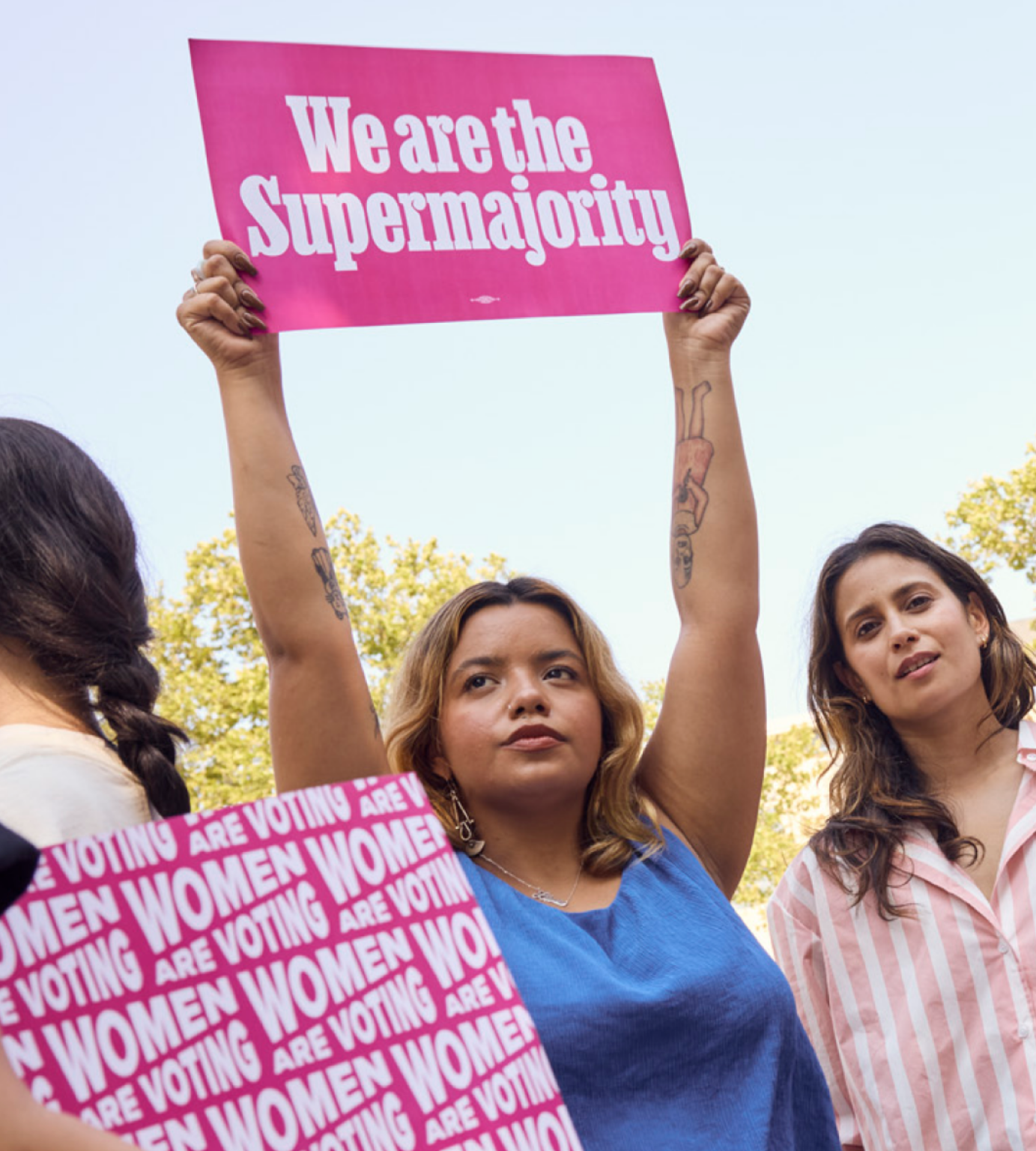
The era of Viktor Orbán ended not with a whimper, but with a landslide that has left the European political establishment both breathless and deeply wary. Following the April 12, 2026, general election, Péter Magyar and his Tisza Party secured a staggering 138-seat supermajority, a mandate so absolute it effectively turns the very legislative machinery Orbán built for himself against his own legacy. Magyar intends to use this power to dismantle the "illiberal state" from within, pledging to join the European Public Prosecutor’s Office (EPPO), unlock €18 billion in frozen EU funds, and restore judicial independence. However, the victory brings a volatile reality: Magyar is not a liberal savior from the old opposition, but a former regime insider who plans to fight fire with fire, raising urgent questions about whether he is restoring democracy or simply installing a more efficient, Brussels-friendly version of concentrated power.
The Insider Who Broke the Code
Péter Magyar did not win by appealing to the sensibilities of the Budapest intelligentsia. He won because he understands the Fidesz playbook better than anyone else. As the former husband of Orbán’s Justice Minister and a veteran of state-owned boardrooms, Magyar knows where the bodies are buried—and more importantly, he knows the language of the rural voter.
While the traditional opposition spent a decade failing to penetrate the state-controlled media bubble, Magyar simply bypassed it. He visited over 700 settlements, some so small they hadn't seen a non-Fidesz politician in a generation. He utilized the "hopium" of a fresh start to bridge the gap between right-wing nationalism and European integration. His campaign was a masterclass in tactical populism, using Orbán’s own tools of charismatic leadership and national pride to argue that the greatest threat to Hungary was no longer "Brussels," but the corruption of the Budapest elite.
De-Fideszization or Retribution
The scale of the victory presents a unique constitutional problem. With a two-thirds majority, Magyar has the legal authority to rewrite the fundamental laws of the land. He has already demanded the resignation of the Fidesz-loyalist President and the heads of various state institutions, including the media authority and the prosecutor general.
Critics and some EU observers are quietly sounding alarms. The "de-Fideszization" of Hungary requires more than just firing loyalists; it requires rebuilding a system where no single party can ever hold such total control again. If Magyar uses his supermajority to simply replace Orbán’s cronies with his own "reformers," the structural rot of the Hungarian state remains. The line between restoring the rule of law and conducting a political purge is razor-thin, and Magyar’s aggressive rhetoric suggests he is more interested in the former than the latter.
The Economic Rebirth and the Eurozone Gamble
Hungary’s economy is currently a landscape of high inflation and stagnant wages, largely isolated from the investment flows that follow a stable rule of law. Magyar’s economic vision is built on two pillars: transparency and integration.
- Unlocking EU Funds: The immediate priority is the €18 billion held back by Brussels. Magyar believes that by joining the EPPO and reforming public procurement, he can restart the flow of capital within months.
- Eurozone Entry by 2030: This is a bold, perhaps overly optimistic, target. It signals a definitive break from Orbán’s monetary sovereignty narrative, aiming to bind Hungary’s fate irrevocably to the core of Europe.
- SME Support: Moving away from the "national champions" model—where a few oligarchs received the lion's share of state contracts—Magyar promises a competitive environment for small and medium enterprises.
However, the fiscal reality is grim. Years of pre-election spending by the outgoing government have left the budget in a deficit. To fund the promised increases in healthcare and education spending, Magyar will need to claw back assets from the various public trusts and foundations where Fidesz stashed billions in national wealth. This will be a legal and financial war that could take years to resolve.
A Complicated Partner for Brussels
European leaders who expect Magyar to be a compliant junior partner are in for a shock. While he is pro-European, he is also a nationalist. His party’s voting record in the European Parliament shows a distinct "Hungary First" streak, often aligning with Fidesz on sensitive issues like migration and agriculture.
Magyar has been clear that he will not support the EU’s current migration and asylum pact. On the issue of Ukraine, he remains cautious. While he seeks to reduce energy dependence on Russia by 2035, he has stopped short of promising a radical shift in military support, aware that a large portion of his new electorate remains skeptical of deep involvement in the conflict. He is, in many ways, an EPP-style conservative who will fight for Hungarian interests with the same tenacity as Orbán, just without the existential rhetoric of "occupying Brussels."
The Healthcare and Education Crisis
The most visceral reason for Orbán’s downfall was the collapse of public services. In Hungarian hospitals, "bring your own toilet paper" (BYOTP) became a tragic shorthand for state failure. Magyar’s mandate rests on fixing these basic functions.
The challenge is that these systems are not just underfunded; they are broken. Restoring education requires more than just raising teacher salaries; it requires a complete overhaul of a curriculum that has been increasingly politicized. Healthcare needs a massive influx of technology and staff in a country that has seen a decade-long "brain drain" of its best medical professionals to Western Europe.
The Shadow of the Strongman
Viktor Orbán conceded with a sombre tone, vowing to serve from the opposition. But he remains the head of a massive, well-funded political machine. He still controls a network of business interests and media outlets that will not disappear overnight.
Magyar’s greatest test will not be his first 100 days, but how he handles the inevitable friction of governing a polarized nation. He has promised a country where "nobody is labeled for thinking differently," yet his own rise was fueled by a confrontational, almost messianic energy. To succeed, he must transition from a brilliant insurgent to a boring institutionalist. He must prove that the supermajority he won is a tool for liberation, not just a different set of keys to the same autocratic palace.
The transition of power in Budapest is the most significant shift in Central European politics since the fall of the Iron Curtain. It is a moment of immense hope, but also one of profound risk. The world is watching to see if Péter Magyar can actually build a democracy, or if he will simply prove that in Hungary, the only way to beat a strongman is to become one.