The two-week ceasefire between the United States and Iran is barely holding, and everyone knows it. As delegations descend on Islamabad this weekend, the air isn’t filled with the scent of peace—it’s thick with mutual suspicion and the very real threat of total war. Pakistan, playing the unlikely role of the bridge-builder, has secured a seat for both parties at the table, but the table is sitting on a powder keg.
You’ve got to look at the reality of the situation. This isn't a traditional diplomatic "reset." It’s a tactical pause. On one side, you have an American administration that believes it has Iran backed into a corner. On the other, you have a Tehran leadership that’s bloodied but hasn't folded, using its control over the Strait of Hormuz as a final, desperate leverage point.
The Fragile Truce and the Hormuz Factor
The April 8 ceasefire stopped the missiles, but it didn't stop the economic strangulation. President Trump has been clear on Truth Social: he thinks Iran is holding the world hostage by blocking international waterways. The Strait of Hormuz remains the ultimate "kill switch" for the global economy. If 25% of the world’s seaborne oil can’t move, the pressure on Washington to end this—one way or another—becomes unbearable.
The US strategy here is basically a giant squeeze. They're telling Iran that the only way to avoid a "civilization-ending" escalation is to give up their nuclear ambitions and regional influence entirely. It's a "zero-sum" demand that usually doesn't lead to a handshake. Honestly, calling these "peace talks" is a bit of a stretch; they’re more like terms of surrender being presented under a white flag that’s already starting to fray.
Why Pakistan is the Middleman
It’s easy to wonder why Islamabad is the venue. Pakistan is the only country that can talk to both sides without being seen as a complete puppet of either. They share a 900-kilometer border with Iran and have a massive Shia population that makes them sensitive to Iranian stability. At the same time, they need American financial support and security cooperation.
- Security Interests: Pakistan is terrified that a collapsed Iran would send a wave of refugees and militants into Balochistan.
- Nuclear Nuance: As a nuclear power itself, Pakistan doesn't want the precedent of a regional neighbor’s "power plants" being bombed into oblivion.
- The India Variable: Islamabad is playing a long game. They don't want to be sandwiched between a US-aligned India and a western-controlled Iran.
The Lebanon Problem Nobody Can Solve
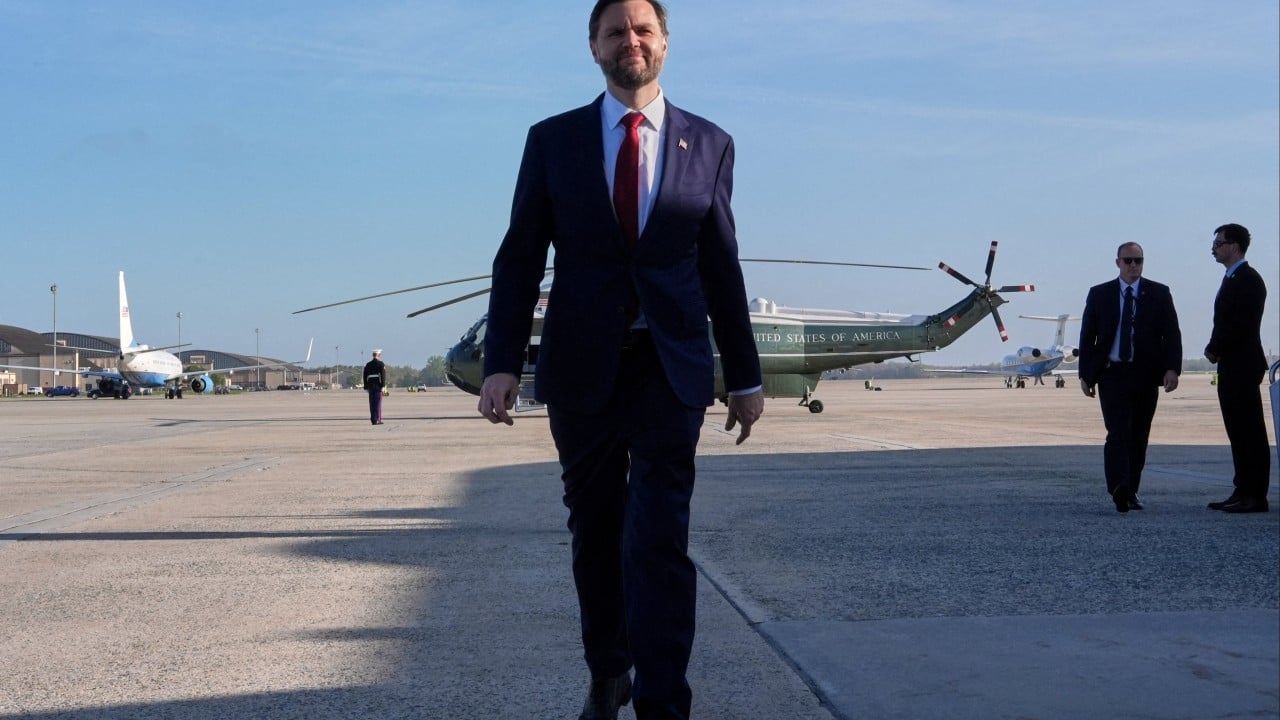
The biggest hurdle sitting in that Islamabad hotel room isn't even about Iran or the US directly. It’s Lebanon. Iran has made it crystal clear: no deal happens if Israel keeps hitting Hezbollah. But the US delegation—led by Vice President JD Vance, Steve Witkoff, and Jared Kushner—can’t (or won’t) fully restrain Israeli military operations.
Israel views its campaign in Lebanon as a separate security necessity. Tehran views it as a direct violation of the spirit of the ceasefire. This "linkage" is the poison pill of the negotiations. If a stray Israeli missile hits a high-value target in Beirut while Vance is talking to the Iranians in Pakistan, the talks will end before the first coffee break.
What’s Actually at Stake This Weekend
Don't expect a grand bargain. The "make or break" goal for Prime Minister Shehbaz Sharif is simply to get a second meeting scheduled. That’s it. If they can agree to keep talking, the ceasefire might be extended. If they can't, the two-week timer is ticking down to a very dark April 22.
The American team is coming in with a "no cards" mindset. They believe Iran is exhausted. But history shows that cornered regimes don't always behave rationally. They lash out. If the US pushes too hard for total capitulation without offering a credible way for the Iranian leadership to save face, the Islamabad summit won't be remembered as a peace breakthrough. It’ll be seen as the last failed exit before the highway to a much larger conflict.
Keep an eye on the rhetoric coming out of the Iranian state media over the next 48 hours. They’ve already been denying that a formal team even left Tehran. This kind of "will they, won't they" theater is classic brinkmanship. It’s designed to show that they aren't desperate, even if the shuttered oil lanes and the ruins of the last six weeks suggest otherwise.
If you’re watching the markets, watch the Strait. Diplomacy is just the noise; the flow of oil is the signal. If tankers start moving, there’s hope. If not, pack your bags for a long, expensive summer.
Move your focus to the official statements from the Pakistani Foreign Office on Sunday morning. That’s when we’ll know if this was a genuine bridge or just another burning one.



