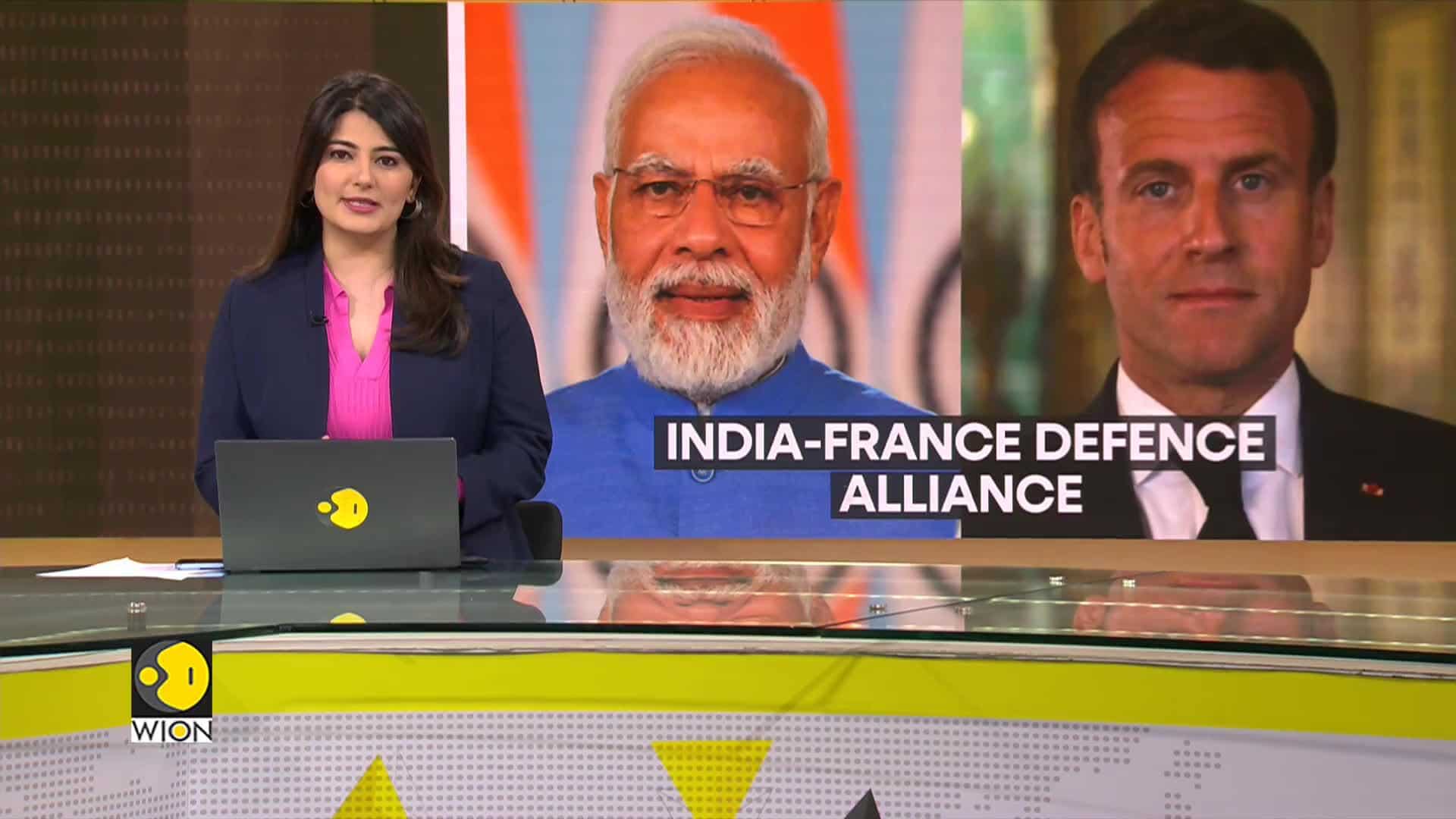
India and France aren't just playing the usual diplomatic game of "let’s do lunch." When Foreign Secretary Vikram Misri sat down with French Foreign Minister Jean-Noël Barrot in Paris on April 13, 2026, the stakes were a lot higher than a standard bilateral chat. The world is looking increasingly fractured, with the Middle East—or West Asia, if you’re following the MEA’s preferred lingo—teetering on the edge of a wider conflict.
The timing of this meeting is everything. Misri landed in Paris fresh from a high-stakes trip to the U.S., where he met with the Trump administration’s heavy hitters. Now, he’s in Europe to shore up a "Special Global Strategic Partnership" that Prime Minister Modi and President Macron elevated only two months ago. If you think this is just about trade figures, you’re missing the forest for the trees. This is about two nations trying to keep the global gears turning while everyone else seems intent on throwing sand in them.
A Geopolitical Balancing Act in West Asia
The most pressing item on the agenda wasn't hidden in the fine print. It was the crisis in the Strait of Hormuz. With reports of a U.S. naval blockade and the Iranian Revolutionary Guard issuing warnings, the freedom of navigation in that corridor is basically the lifeblood of India’s energy security.
Misri and Barrot didn't just exchange pleasantries; they got into the weeds on how to restore that freedom of navigation. They both leaned hard into the idea of a ceasefire agreement between Iran and the U.S. Why? Because India can't afford an oil shock, and France can't afford a total collapse of Mediterranean stability. They’re looking for a swift, diplomatic end to the war, which sounds optimistic, but in the world of realpolitik, it’s the only play left on the board.
Beyond the Battlefield
While the headlines scream about West Asia, the meat of the India-France relationship is actually being built in labs and assembly lines. You might have missed it, but they’ve basically turned 2026 into the "Year of Innovation." We aren't just talking about exchange students—though they want to double the number of Indian students in France. We’re talking about:
- Defence and Aerospace: The new Tata-Airbus H125 helicopter assembly line is already a thing. Now they’re pushing into HAMMER missile production in India through a joint venture with Bharat Electronics Limited.
- The AI Divide: Both countries are obsessed with "economic security." They’re setting up the Indo-French Center for AI in Health and a National Centre for Aeronautics Skill Development. They want to make sure the AI revolution doesn't just stay locked up in Silicon Valley.
- Civil Nuclear Energy: This has been a long-simmering pot, but with the current energy crisis, the push for modular reactors and nuclear cooperation is moving from "future plan" to "immediate priority."
Honestly, the most interesting part of this isn't the hardware. It's the "Special Global Strategic Partnership" tag. It’s a fancy way of saying that India and France trust each other enough to act as a third pole in a world that’s becoming uncomfortably bipolar between the U.S. and China.
The Indo-Pacific and the G7 Connection
France is currently holding the G7 Presidency, and India is right there in the inner circle. Misri and Barrot spent a good chunk of time discussing how to fix "macroeconomic imbalances." In plain English? They’re trying to prevent the global economy from snapping under the weight of debt and trade wars.
They also haven't forgotten about the Indo-Pacific. While the world's eyes are on the Middle East, the maritime security of the Indian Ocean remains the quiet foundation of their strategic bond. They’re looking at joint development projects in third countries—basically offering an alternative to the "debt-trap diplomacy" that’s been making waves in the region lately.
What This Means for You
You might wonder why a meeting between a Foreign Secretary and a Foreign Minister matters to anyone not wearing a suit in New Delhi or Paris. It matters because this partnership is becoming the safety net for India’s middle class.
When they talk about the India-EU Free Trade Agreement, they’re talking about cheaper goods and more jobs. When they talk about STEM talent crossflow, they’re opening doors for the next generation of Indian engineers. And when they talk about the Strait of Hormuz, they’re trying to keep the price of your commute from doubling overnight.
The takeaway from the Paris meeting is clear: India and France are doubling down on each other. They’re moving past the "buyer-seller" relationship of the Rafale days and into a phase where they’re co-developing the tech that will define the next decade.
If you’re looking to track where this goes next, keep an eye on the Strategic Space Dialogue coming up later this year. That’s where the high-altitude decisions on satellite security and cyber defense will actually happen. For now, the focus is on keeping the peace in West Asia and making sure the "Year of Innovation" isn't just a slogan on a brochure.