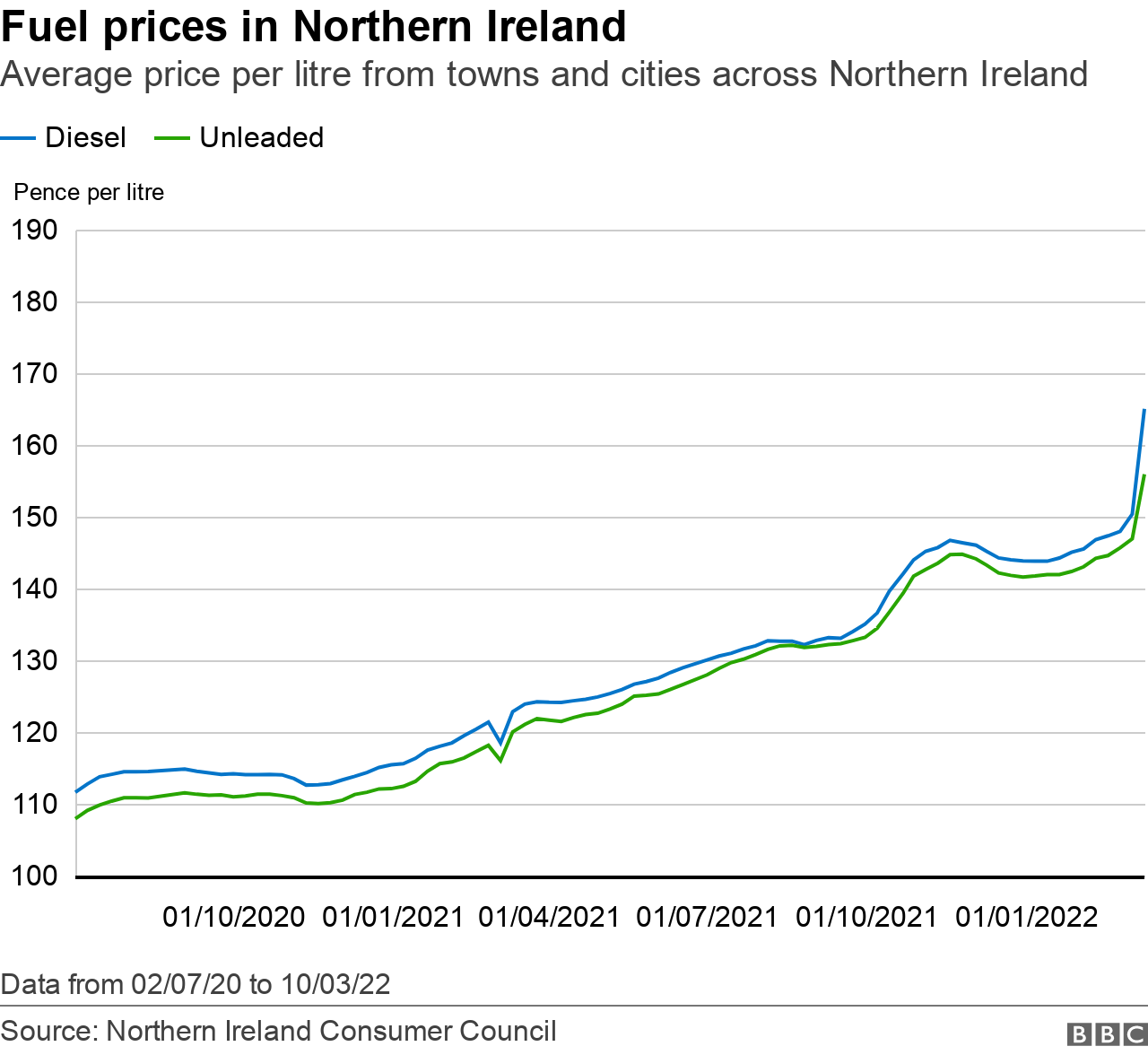
Crude oil valuation is not a reflection of current supply-demand equilibrium but a discounted calculation of future disruption probabilities. When diplomatic channels between the United States and Iran fracture, the market isn't reacting to a physical loss of barrels; it is recalibrating the "Geopolitical Risk Premium." This premium serves as a financial buffer against the catastrophic failure of the Strait of Hormuz—a chokepoint through which 20% of global petroleum liquids flow. The collapse of peace talks functions as a primary catalyst for price appreciation because it removes the "diplomatic floor" that previously capped speculative volatility.
The Triad of Price Drivers in Diplomatic Failure
To understand why the failure of U.S.-Iran negotiations triggers a price spike, one must look past the headlines and examine the three structural pillars of the global oil market.
1. The Elasticity of the Risk Premium
The risk premium is the delta between the fundamental price (based on inventories and production costs) and the actual trading price. In a state of diplomatic stalemate, this premium expands.
- Perceived Probability of Kinetic Conflict: As talk of a nuclear deal or sanctions relief fades, the statistical likelihood of military skirmishes in the Persian Gulf increases.
- Insurance and Freight Contingencies: Shipping companies often hike rates for tankers traversing the Middle East during periods of high tension. These costs are directly passed through to the Brent and WTI benchmarks.
- Speculative Front-Running: Institutional investors buy futures contracts not because they need oil, but because they anticipate a supply shock. This creates a self-fulfilling prophecy of rising prices.
2. Sanctions Inelasticity and the Supply Floor
The cessation of talks cements the existing sanctions regime. If the U.S. and Iran had reached an agreement, the market would have anticipated a return of approximately 1.5 to 2 million barrels per day (bpd) of Iranian crude to the global market.
- The Lost Opportunity Cost: The market is now pricing in the permanent absence of this Iranian volume.
- OPEC+ Calibration: The absence of Iranian barrels allows the OPEC+ coalition to maintain tighter control over global supply levels. Without the threat of Iranian competition, there is less incentive for other major producers to engage in a price war to defend market share.
3. The Strait of Hormuz Bottleneck
Physical geography remains the most significant variable in the oil cost function. The Strait of Hormuz is roughly 21 miles wide at its narrowest point. Iranian naval posturing often follows diplomatic collapses as a means of exerting asymmetrical pressure.
- The Threat of Interdiction: Any credible threat to the transit of tankers through this corridor adds an immediate $5 to $10 "security surcharge" per barrel.
- The Buffer Capacity Fallacy: While the U.S. Strategic Petroleum Reserve (SPR) exists to mitigate shocks, its ability to counter a total closure of the Strait is mathematically limited. Global daily consumption is approximately 100 million barrels. A total disruption at Hormuz exceeds the world's combined spare production capacity and strategic reserves within weeks.
The Mechanism of Escalation: A Feedback Loop
The relationship between failed diplomacy and oil prices is not linear; it is a feedback loop characterized by reactive cycles.
- Diplomatic Collapse: Negotiations end, signaling a return to "maximum pressure" or "strategic patience" policies.
- Asset Reallocation: Managed money (hedge funds) rotates out of safe-haven assets into energy commodities to hedge against inflation and war.
- Physical Market Tightness: Refiners, fearing future shortages, may increase their current purchasing to pad commercial inventories, further tightening the spot market.
- Political Leverage Shift: Higher oil prices provide Iran with increased revenue despite sanctions, as the "black market" or "dark fleet" sales become more lucrative. This reduces their incentive to return to the negotiating table, further prolonging the diplomatic void.
Quantifying the Impact of "The Invisible Barrel"
The concept of "The Invisible Barrel" refers to Iranian crude that is produced but not officially accounted for in standard customs data. When talks fail, the oversight of these barrels becomes even more opaque.
- Dark Fleet Operations: Iran utilizes a fleet of aging tankers that turn off AIS (Automatic Identification System) transponders to deliver oil to buyers, primarily in Asia.
- Price Discounting Strategies: To bypass sanctions, Iranian crude is sold at a significant discount to the Brent benchmark. When formal talks collapse, this discount often deepens to entice buyers to take on the legal risk of U.S. secondary sanctions.
- Revenue Paradox: Ironically, if the global price of oil rises by 15% due to the collapse of talks, Iran may net more revenue on fewer barrels, effectively neutralizing the economic pressure intended by the sanctions.
Systematic Risks to the Bullish Thesis
While the collapse of talks generally points toward higher prices, several counter-forces can dampen this trajectory.
The Demand-Side Constraint
High oil prices act as a tax on the global consumer. If prices sustain levels above $90 or $100 per barrel, "demand destruction" occurs.
- Industrial Slowdown: High energy costs reduce the profit margins of manufacturers, leading to decreased output and, consequently, lower energy demand.
- Consumer Pivot: High gasoline prices accelerate the adoption of alternative energy vehicles and public transit usage, though this shift is a lagging indicator.
Domestic Production Incentives
In the United States, sustained high prices provide the necessary capital for shale producers to increase drilling activity. However, the capital discipline enforced by Wall Street means that U.S. production no longer reacts with the same speed it did in the previous decade. The "drilling-to-delivery" timeline is now constrained by labor shortages and equipment costs, meaning U.S. shale cannot act as an immediate shock absorber for Persian Gulf volatility.
Strategic Asset Allocation in a Post-Talks Environment
The immediate strategic priority for energy-dependent entities is to transition from spot-market exposure to a hedged position.
Implementation Logic for Corporate and State Actors:
- Hedge Duration Extension: Extend the duration of fuel hedges to 18-24 months. The diplomatic vacuum is unlikely to be filled in the short term, meaning the risk premium will likely remain a persistent feature of the market.
- Supply Chain Diversification: Shift procurement focus toward Atlantic Basin crudes (Nigerian, Angolan, Guyanese, or North Sea) to reduce exposure to the Middle Eastern transit risk. While these crudes may trade at a premium, the security of supply outweighs the basis risk.
- Inventory Monetization: For entities with significant storage capacity, the current "backwardation" in the market (where the current price is higher than the future price) suggests that holding physical inventory is expensive. However, in a "failed talks" scenario, the risk of a "spike into contango" (future prices skyrocketing) justifies maintaining higher-than-average safety stocks.
The collapse of U.S.-Iran peace talks has shifted the oil market from a "containment" phase into a "speculative" phase. The absence of a formal communication channel between the two nations increases the probability of accidental escalation. This structural uncertainty is now the dominant component of the oil price function. Market participants must price for a scenario where the Strait of Hormuz becomes a theater of active deterrence, rather than a peaceful trade route.
Focus on securing long-dated call options on Brent crude as a hedge against a 20% supply-side shock. The current market is underpricing the possibility of a complete maritime shutdown. Traditional technical analysis will fail in this environment because the price is no longer driven by marginal production costs, but by the geopolitical cost of total system failure.