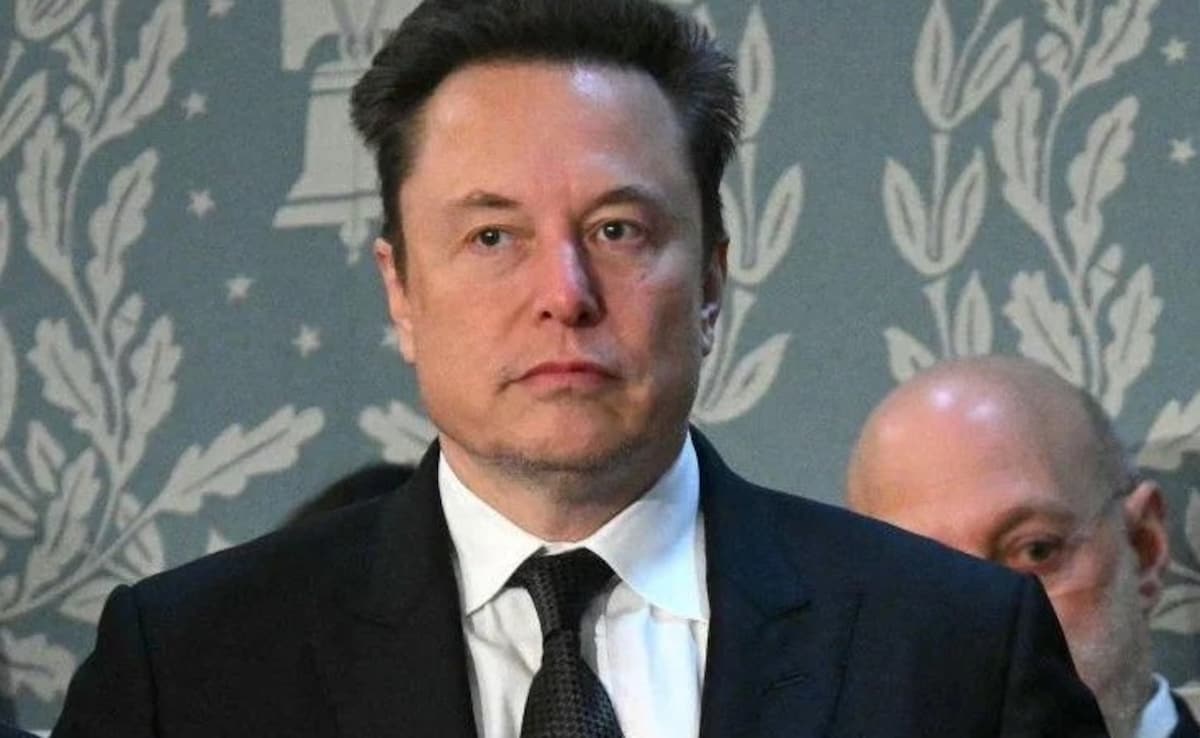
Elon Musk isn't bulletproof after all. For years, the world’s richest man seemed to treat federal securities laws like optional suggestions, tweeting his way through multibillion-dollar deals with what looked like total impunity. But on March 20, 2026, a San Francisco jury finally drew a line in the sand.
They found Musk liable for misleading Twitter shareholders during his chaotic $44 billion takeover in 2022. This isn't just another legal headline; it’s a massive shift in how we hold "market movers" accountable. If you followed the 2023 Tesla "funding secured" trial, you know Musk walked away from that one unscathed. This time, the jury wasn't buying the "oops, just a bad tweet" defense. Building on this topic, you can also read: The Childcare Safety Myth and the Bureaucratic Death Spiral.
The core of the case was simple: Did Musk intentionally tank Twitter’s stock to get a better deal? The jury said yes—at least on two specific counts.
The Tweets That Cost Billions
The trial focused on a frantic window in May 2022. Musk had already signed a binding agreement to buy Twitter for $54.20 per share. Then, he started getting cold feet. Suddenly, his feed was full of claims about "bots" and "spam accounts" being way higher than the 5% Twitter officially reported. Experts at Bloomberg have shared their thoughts on this matter.
On May 13, 2022, Musk tweeted that the deal was "temporarily on hold" pending more data on those bots. The problem? You can't just put a signed, multibillion-dollar merger "on hold" via a tweet. Twitter’s stock price didn't care about the legal nuances, though—it plummeted.
The jury found that this specific tweet, along with another on May 17 where he claimed the deal "cannot move forward" until he got proof of bot numbers, were materially false. They weren't just opinions; they were statements of fact that Musk didn't actually have the power to enforce under his contract.
Why This Verdict is a Total Flip from 2023
In early 2023, Musk won a similar case regarding his 2018 claim that he had "funding secured" to take Tesla private. In that instance, the jury decided that even though the statement was technically false, it wasn't "material" enough to have defrauded investors.
This 2026 jury saw things differently. Why?
- The Contract was Signed: Unlike the Tesla situation, Musk was already under a legally binding merger agreement with Twitter.
- Specific Market Impact: Investors who sold their shares after the "on hold" tweet lost real money when the stock dropped over 9% in a single day.
- The Motive: Plaintiffs argued Musk was trying to "renegotiate" a deal that had become too expensive after Tesla's stock (which he used for financing) started sliding.
The jury rejected the idea of a grand "scheme" to defraud, but they held him liable for the specific damage caused by those misleading posts. It turns out, even if you don't plan a heist, you're still responsible if you shout "fire" in a crowded stock exchange.
The Multi-Billion Dollar Price Tag
We don't have a final, single number yet, but the math looks grim for Musk. The jury awarded damages between $3 and $8 per share for every day the stock was suppressed by those tweets.
Plaintiffs' attorneys are already eyeing a total payout that could top $2.6 billion. For a guy worth roughly $814 billion, that might seem like pocket change, but most of his wealth is tied up in Tesla and SpaceX stock. Liquidity is a different beast entirely.
What This Means for You
If you held Twitter stock between May and October 2022 and sold it during those dips, you're likely part of this class-action suit. This verdict means the court has recognized that you were financially harmed by a CEO’s reckless communication.
But the bigger impact is for the future of the markets. This verdict tells every executive with a massive social media following that they can't use their platform to manipulate prices without consequences. The "I'm just being authentic" excuse has a multi-billion dollar expiration date.
What Happens Now
Musk's legal team has already called this a "bump in the road" and promised an appeal. They’ll likely argue that his comments were protected speech or that the market was already volatile for other reasons.
Don't expect a check in the mail tomorrow. These cases can grind through appeals for years. However, the precedent is set. The era of the "Untouchable Tweet" is officially over.
If you're an active investor, keep a close eye on the SEC's next move. They've been watching this trial closely, and a jury's finding of liability often triggers a new wave of regulatory crackdowns. For now, the best thing you can do is check your 2022 trade confirmations. If you sold Twitter (TWTR) during those specific weeks in May, make sure you're registered with the class-action administrators to claim your share of the eventual settlement.
I can help you look up the specific dates and share price movements from that period if you want to see how your trades align with the jury's damage windows.