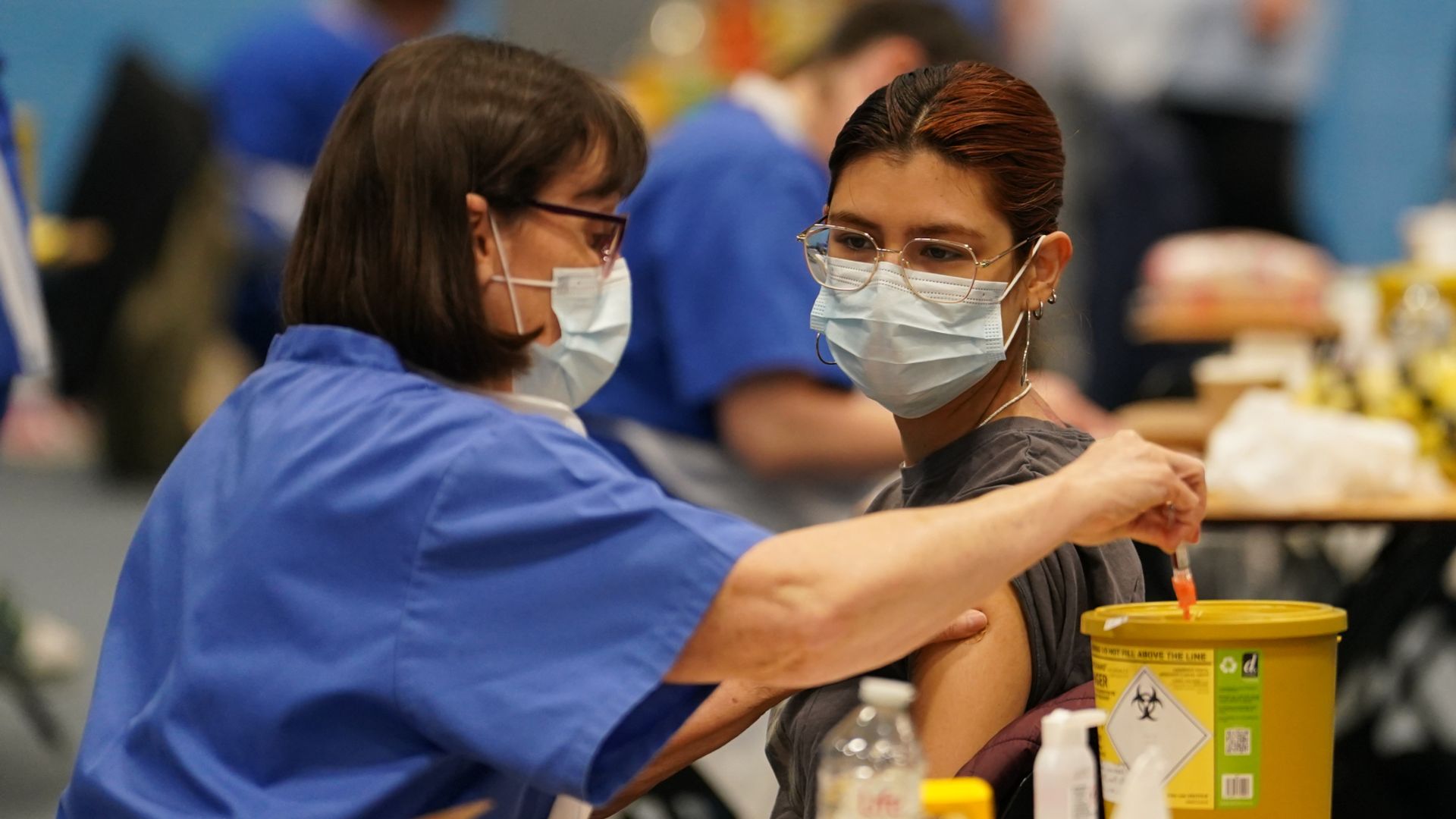
When the medical drama The Pitt aired scenes featuring Immigration and Customs Enforcement (ICE) agents patrolling hospital hallways, it struck a nerve that resonates far beyond the screen. This isn't just a plot device for high-stakes television. It is a reflection of a fractured reality where the sanctuary of a hospital clashes with the machinery of federal law enforcement. For decades, the presence of ICE in "sensitive locations" has been governed by internal memos rather than rigid statutes, creating a gray zone that leaves both undocumented patients and healthcare providers in a state of perpetual anxiety.
The core tension is simple. Doctors are bound by the Hippocratic Oath to treat anyone who walks through their doors, regardless of status. ICE agents are bound by federal mandates to enforce immigration law. When these two worlds collide in an emergency room, the result is a breakdown of public health. Patients who fear deportation will avoid seeking care until their conditions become life-threatening, shifting the burden from preventative care to expensive, high-intensity emergency interventions. This dynamic doesn't just affect the individual; it compromises the entire healthcare system.
The Myth of the Sanctuary Hospital
While many cities call themselves "sanctuaries," the term carries little weight once you step inside a trauma center. There is no federal law that explicitly bars ICE from entering a hospital. Instead, the agency operates under a self-imposed "sensitive locations" policy, which suggests that enforcement actions should be avoided in places like schools, churches, and medical facilities.
Policies are not laws. They are guidelines. They can be bypassed if an agent obtains superior approval or if there is an "exigent circumstance," a term so broad it can be stretched to cover almost any situation involving a person of interest.
Healthcare administrators often find themselves unprepared for these encounters. While a hospital might have a policy requiring agents to present a judicial warrant before entering non-public areas, the chaos of an ER makes enforcement difficult. A nurse focused on a cardiac arrest isn't trained to vet the credentials of a man in a windbreaker standing by the nurses' station. This lack of clear, statutory protection creates a porous environment where the "sanctuary" is more of a suggestion than a reality.
The Chilling Effect as a Public Health Crisis
When news spreads that ICE was spotted at a local clinic, the data shows an immediate drop in appointments. This isn't anecdotal. Longitudinal studies in cities like Chicago and Houston have shown that enforcement surges correlate with a significant decline in prenatal care visits and management for chronic conditions like diabetes.
Fear is a powerful deterrent. A parent might choose to let a child’s fever run its course rather than risk a trip to the hospital that could end in a family separation. By the time that child finally arrives in the ER, a simple infection may have turned into sepsis.
The Economic Fallout of Delayed Care
The financial implications are staggering. Primary care is cheap. Emergency surgery and intensive care are not. When a population is terrified to access the "front door" of the medical system, they inevitably crash through the "back door" in an ambulance.
The costs of these late-stage interventions are often absorbed by the hospitals themselves or passed on to taxpayers through uncompensated care pools. In this sense, aggressive immigration enforcement in medical settings is a direct contributor to the rising cost of American healthcare. We are essentially paying a premium to keep a segment of the population in a state of medical neglect.
The Legal Shell Game of Patient Privacy
Hospital lawyers often point to HIPAA (the Health Insurance Portability and Accountability Act) as a shield. They tell staff that patient information is private and cannot be shared with law enforcement without a warrant. This is a half-truth that puts providers in a dangerous position.
HIPAA actually contains several exceptions that allow—and sometimes require—the disclosure of protected health information to law enforcement. If an agent presents a subpoena or a court-ordered warrant, the hospital is legally bound to comply. More importantly, HIPAA does not prevent an agent from simply standing in a public waiting room and watching who walks in.
The law protects the data, but it doesn't necessarily protect the person. This distinction is where the system fails. A patient's name on a chart might be encrypted, but their physical presence in a triage chair is visible to anyone with eyes.
The Moral Injury of the Frontline Provider
Doctors and nurses are increasingly reporting "moral injury"—the psychological distress that occurs when they are forced to act in ways that violate their deeply held ethical beliefs. When a physician sees a patient being questioned by agents while still hooked up to an IV, they aren't just witnessing a legal procedure; they are witnessing the destruction of the doctor-patient relationship.
Trust is the most valuable commodity in medicine. Once a patient believes their doctor might be a gateway to a detention center, that trust is gone. It takes years to build and seconds to destroy.
Some residency programs are now including "know your rights" training for medical students, teaching them how to interact with federal agents. This is the new reality of American medicine. We are training our healers to act as amateur constitutional lawyers because the institutions they work for cannot—or will not—guarantee their safety.
Behind the Scenes of Enforcement Tactics
ICE doesn't always show up in tactical gear. Often, the presence is more subtle. Agents may follow local police who have brought in a suspect for medical clearance before booking. In these cases, the "sensitive location" policy is effectively bypassed because the individual was already in custody.
However, the "collateral" contacts are what drive the most fear. These occur when agents, while looking for one specific person, question others nearby. In an ER waiting room, everyone is a target. This creates an environment of "hyper-vigilance" that is antithetical to healing.
The Role of Private Security
Many large hospital systems outsource their security to private firms. These guards are often former law enforcement officers who may have a collaborative relationship with federal agencies. Unlike medical staff, these security contractors are rarely trained in the nuances of patient advocacy or the "sensitive locations" policy. They may grant ICE agents access to secure areas out of professional courtesy, bypassing the hospital’s legal department entirely.
A Systemic Failure of Policy
The tension between healthcare and enforcement isn't a bug in the system; it’s a feature of a policy that refuses to draw a hard line. As long as "sensitive locations" remain a matter of internal agency discretion rather than a codified law like the Federal Medical Sanctuary Act (which has stalled in various forms for years), the ER will remain a battleground.
Hospitals are left to fend for themselves, creating a patchwork of protections that vary from one zip code to the next. In one city, a patient might be safe; ten miles away, they might be at risk. This inconsistency is perhaps the cruelest part of the equation, as it forces vulnerable people to play a game of medical roulette.
The Inevitable Collision
As long as the United States uses its healthcare infrastructure as an extension of its border security, the public health consequences will continue to mount. We are currently witnessing an era where the fear of the law is deadlier than the diseases being treated.
The scenes in The Pitt aren't just drama. They are a warning. When the emergency room becomes a courtroom, the patient is always the loser.
The burden now falls on hospital boards and state legislatures to decide if they will continue to allow these incursions or if they will finally enact the legal protections necessary to turn "sanctuary" from a slogan into a reality. Until then, the triage desk remains a checkpoint, and the stethoscope remains a tool of a system that is increasingly at war with itself.
Demand your local hospital administration release their written protocols for law enforcement interaction before the next crisis arrives at your door.