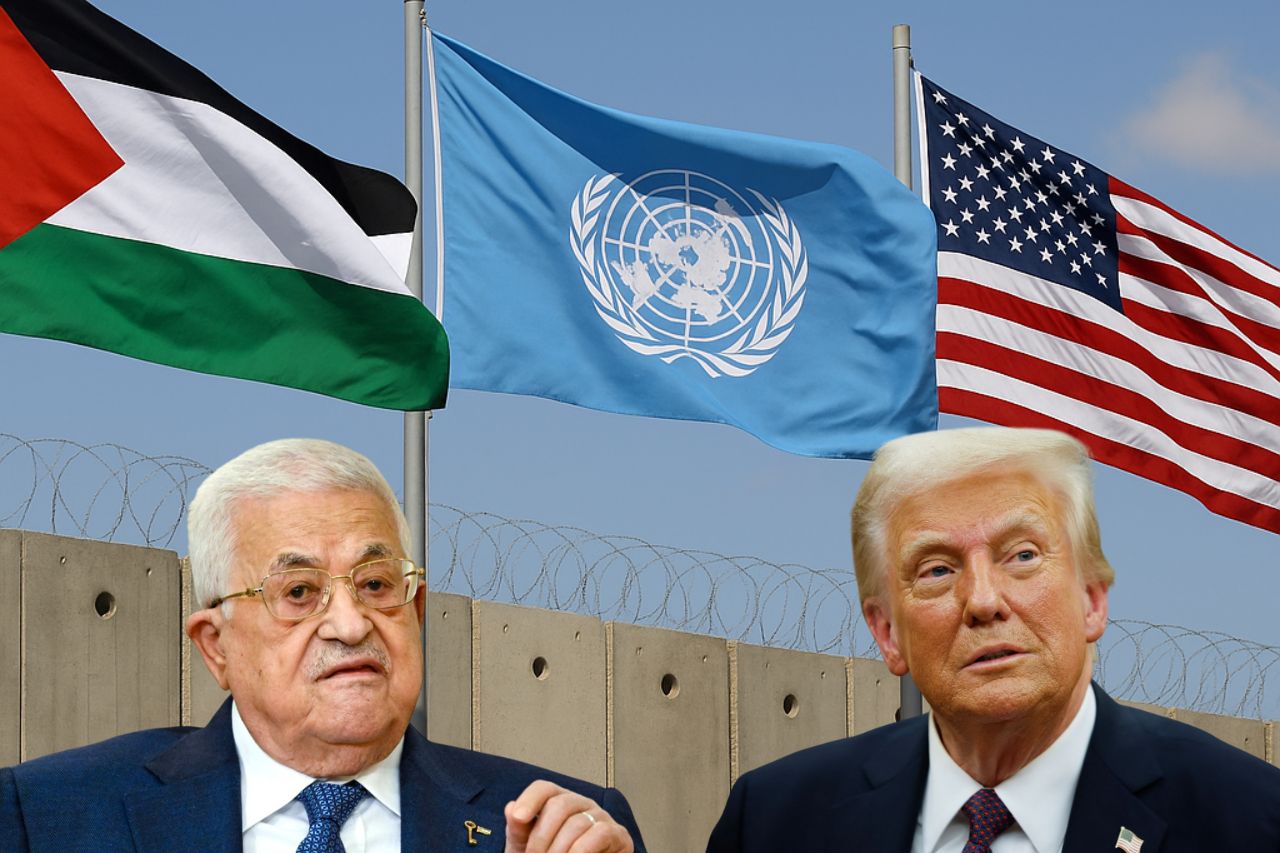
Geopolitics isn't a chess game. It’s a high-stakes auction where everyone is bidding with blood and the currency is devalued by the hour. Most analysts are currently staring at the Iran-US ceasefire agreement with the glazed eyes of a tourist looking at a postcard. They think they see peace. They think they see a "cooling-off period."
They are wrong. You might also find this connected article interesting: The Brutal Truth Behind the New Push for Americans Held in Iran.
The recent escalation in Lebanon isn't a breakdown of diplomacy. It is the logical, calculated result of it. When two superpowers shake hands in a backroom in Geneva or Muscat, they aren't ending the war; they are merely shifting the friction points. If you think a deal between Washington and Tehran creates a vacuum of quiet, you don't understand how power works in the Levant.
The Sovereignty Trap
The biggest lie in international reporting is the idea that "state actors" control the board. The media loves to frame the Israel-Lebanon conflict as a byproduct of Iranian whim or Israeli paranoia. This misses the mechanical reality of the Northern Front. As reported in latest articles by BBC News, the results are widespread.
Israel didn't strike Lebanon despite the Iran-US ceasefire. It struck because of it.
In the eyes of the Israeli defense establishment, a US-Iran thaw is a strategic threat of the highest order. Why? Because it frees up resources. When Iran isn't worried about its primary existential threat—the Great Satan—it can pivot its entire logistical apparatus toward its proxies. A "ceasefire" with the US gives the IRGC (Islamic Revolutionary Guard Corps) the breathing room to harden the infrastructure in Southern Lebanon without the distraction of a direct naval confrontation in the Gulf.
I have spent years watching regional players react to "deals." Every time a Western power signs a piece of paper, the local actors start sharpening knives. They know that a treaty is just a way for the big guys to look away while the little guys settle scores.
The Decoupling Delusion
"People Also Ask: Will the US-Iran deal stop the fighting in Lebanon?"
The premise of this question is flawed. It assumes that Hezbollah is a simple thermostat that Tehran can turn up or down at will. While the funding and the missiles come from Iran, Hezbollah is a domestic Lebanese political entity with its own internal pressures.
When the US and Iran lower the temperature, Hezbollah faces a legitimacy crisis. If they aren't the "Shield of Lebanon" against an active Israeli threat, they are just another corrupt political party in a failing state. Conflict is their oxygen. Conversely, Israel cannot afford to wait for the "perfect moment" to address the missile stockpiles on its border.
Waiting for a diplomatic solution to settle the Lebanon border is like waiting for a flood to dry up while the rain is still falling.
The Intelligence Gap
Let’s talk about what actually happens on the ground. When the US pulls back from its maximum pressure campaign, the intelligence community sees a shift in signal traffic.
Imagine a scenario where a local commander in the Bekaa Valley sees his supply lines reinforced because the US has unblocked Iranian assets. He doesn't think "Peace is here." He thinks "I have more rockets than I had yesterday. Let’s see what they can do."
Israel’s preemptive strikes are a data-driven response to this specific replenishment cycle. They aren't looking for a war; they are looking to reset the "Balance of Terror."
The Myth of the "Cooling Off" Period
The "lazy consensus" argues that after a major diplomatic breakthrough, parties should naturally enter a period of de-escalation.
History proves the exact opposite.
- 1990s: Post-Cold War "stability" led to the fragmentation of the Balkans.
- 2015: The JCPOA (Nuclear Deal) didn't lead to a quieter Middle East; it led to an explosion of proxy wars in Yemen and Syria.
Stability is a static concept. War is dynamic. When you freeze one part of the machine, the pressure builds elsewhere. By "fixing" the Iran-US relationship, the West inadvertently pressurized the Israel-Lebanon border. Israel is now acting as the safety valve.
The Failure of "Containment"
For thirty years, the prevailing wisdom has been "containment." Keep the conflict within certain borders. Don't let it spill over.
This strategy is dead.
We are now in an era of "Active Friction." Containment only works when both sides have something to lose. Lebanon, as a state, has already lost everything. Its economy is a ghost. Its government is a theater troupe. When a country has nothing left to lose, containment is a joke.
Israel’s current military doctrine—often called the "Begin Doctrine" in various iterations—dictates that they will not allow a neighbor to acquire the means to destroy them. Diplomacy between a third party (the US) and a fourth party (Iran) does not change that math. It only makes the timing more urgent.
The Brutal Reality of Proxy Logic
You’ve been told that Iran uses Hezbollah to attack Israel. That’s only half the truth.
Hezbollah uses the idea of Israel to control Lebanon. Israel uses the reality of Hezbollah to justify its northern security zone. It is a symbiotic relationship of violence.
A US-Iran ceasefire disrupts this symbiosis. It introduces an external variable that threatens the internal status quo for both the IDF and Hezbollah. Israel strikes now to re-establish the boundaries that the ceasefire blurred. They are reminding the world that the Washington-Tehran axis does not run through Tel Aviv or Beirut.
The Hard Truth About Diplomacy
Diplomacy is often just war by other means. When the US and Iran stop shouting at each other, the silence is deafening. In that silence, you can hear the sound of wheels turning and treads moving.
If you are looking for a reason for the strikes, don't look at the failure of the ceasefire. Look at its success. The "success" of the deal made the kinetic cost of inaction too high for Israel to bear.
The world wants to believe in the power of the pen. But in the Levant, the sword doesn't care what the pen wrote. It only cares about who is left standing when the ink dries.
Stop asking when the fighting will end. Start asking why you ever thought a piece of paper in a different time zone could stop it.