Major international hubs are currently staring down a systemic failure in the global aviation fuel supply chain. While public statements often point toward a singular conflict in the Middle East as the primary catalyst, the reality is far more precarious. The aviation industry is grappling with a brittle logistics network that was never designed to handle the simultaneous pressures of geopolitical volatility, aging refinery infrastructure, and a rapid shift in global trade routes. This is not just a temporary spike in prices. It is a fundamental breakdown in how fuel moves from the ground to the wing.
The Myth of the Single Conflict
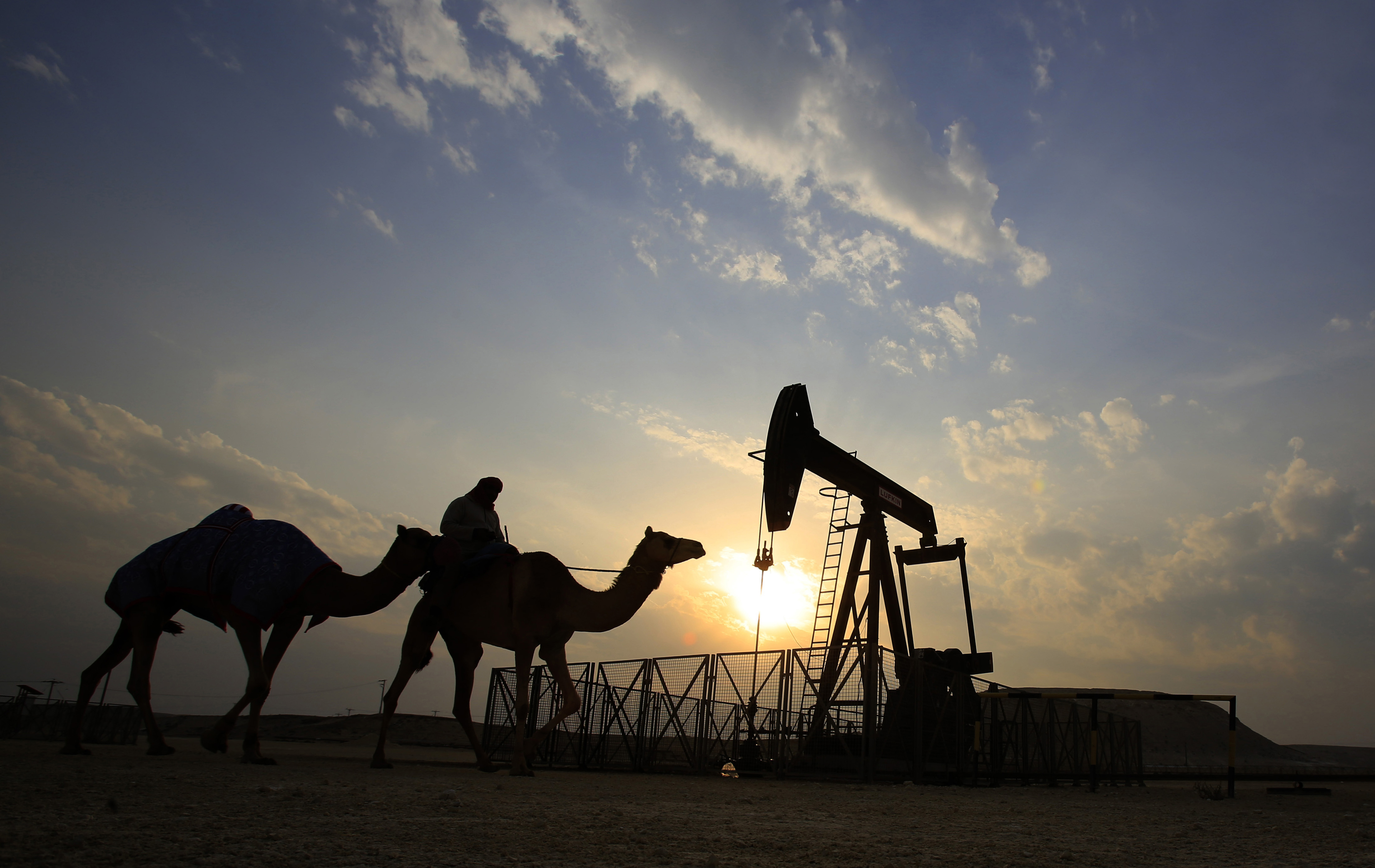
Blaming regional instability in the Middle East for every empty tank at an airport is a convenient narrative for corporate boards and politicians. It provides an external villain. However, this perspective ignores the decades of underinvestment in the midstream sector. Refineries in the West have been closing at a steady clip, replaced by massive facilities in the Middle East and Asia. This shift has lengthened the supply chain by thousands of miles.
When a conflict erupts near the Strait of Hormuz or the Red Sea, it doesn't just threaten the source of the oil. It threatens the literal path of the finished product. Jet fuel, unlike crude oil, has a shelf life and specific purity requirements. You cannot simply swap one batch for another without rigorous testing. The distance between where fuel is made and where it is burned has never been greater, and the margin for error has never been thinner.
Why Pipelines and Ports Are Redlining
The logistical bottleneck starts long before a plane pulls up to the gate. In many Western nations, the infrastructure used to transport jet fuel is shared with diesel and gasoline. During periods of high demand or supply shocks, priority often shifts to heating oil or road transport, leaving aviation as the junior partner in the queue.
- Refinery Scarcity: Since 2020, global refining capacity has struggled to keep pace with the rebound in air travel.
- Inventory Depth: Just-in-time delivery models have gutted the strategic reserves held by individual airports. Many major hubs now operate on less than three days of fuel buffer.
- Labor Shortages: A lack of certified tanker drivers and port technicians means that even when fuel is available, it cannot always be moved to where it is needed.
Consider a hypothetical scenario where a major European hub loses its primary pipeline feed for forty-eight hours. Under current "lean" management principles, that airport would be forced to cancel half its long-haul schedule by the third day. There is no longer a safety net.
The Hidden Cost of the Green Transition
The push toward Sustainable Aviation Fuel (SAF) is necessary for the long-term survival of the industry, but in the short term, it is creating a "valley of death" for traditional fuel security. Traditional refineries are being converted to biofuel plants, which often produce lower volumes than their fossil-fuel predecessors.
Capital is fleeing traditional petroleum infrastructure. Banks are hesitant to fund the expansion of jet fuel pipelines or storage farms that may be considered "stranded assets" in twenty years. This creates a paradox. We are abandoning the old system before the new one is capable of carrying the load. The result is a supply gap that grows wider every time a geopolitical tremor hits the market.
The Strategy of Rationing
Airports and airlines are already engaging in "tankering." This is a practice where a plane carries extra fuel from a cheaper or more stable location to avoid refueling at a destination where supply is tight or expensive.
It is a desperate measure.
Carrying that extra weight burns even more fuel, increasing costs and emissions. It is a feedback loop of inefficiency. When major carriers start tankering on a systemic level, it is a signal that they have lost faith in the reliability of the ground-side supply chain. They are essentially bringing their own lunch to a restaurant because they heard the kitchen might be closed.
The Vulnerability of Island Economies and Remote Hubs
The crisis hits hardest at the ends of the line. Australia, New Zealand, and various Pacific hubs are particularly exposed. These regions rely almost entirely on long-range maritime imports. A delay in a single tanker fleet due to a diverted route around a war zone can trigger immediate rationing.
In these markets, the "systemic" nature of the shortage becomes undeniable. It isn't just about price. It is about physical availability. When the fuel isn't there, the planes don't fly. This has a massive ripple effect on global trade, as the belly cargo in passenger planes carries a significant portion of the world’s high-value electronics and perishables.
Rebuilding the Buffer
The only way out of this cycle is a painful and expensive return to redundancy. Governments and airport authorities must mandate higher on-site storage minimums. The era of relying on a constant, uninterrupted stream of tankers from halfway around the world is over.
- Hard Assets: Investing in dedicated jet-fuel storage that is decoupled from other fuel types.
- Diverse Sourcing: Breaking the reliance on a single geographic region for refined products.
- Infrastructure Priority: Granting jet fuel the same strategic status as electricity or water during periods of national emergency.
The industry has spent thirty years optimizing for cost. It now has to optimize for survival. The transition will be expensive, and those costs will inevitably be passed down to the passenger. The days of cheap, unlimited flight were built on a foundation of cheap, unlimited, and easily transported energy. That foundation is cracking.
The Geopolitical Reality of 2026
We are entering a period where energy is used as a primary lever of statecraft. Controlling the flow of jet fuel is a way to throttle an enemy's economy without firing a single shot. If the refineries are concentrated in a handful of contested zones, the global aviation industry is effectively a hostage to the stability of those regions.
The warning signs are no longer subtle. They are written in the flight cancellations and the skyrocketing surcharges appearing on every ticket. The system is telling us it cannot handle the current level of strain. We can either listen and rebuild the infrastructure, or we can wait for the day the tanks finally run dry.
Stop looking at the ticker price of Brent crude and start looking at the storage levels at your local international airport. That is where the real crisis is hidden.