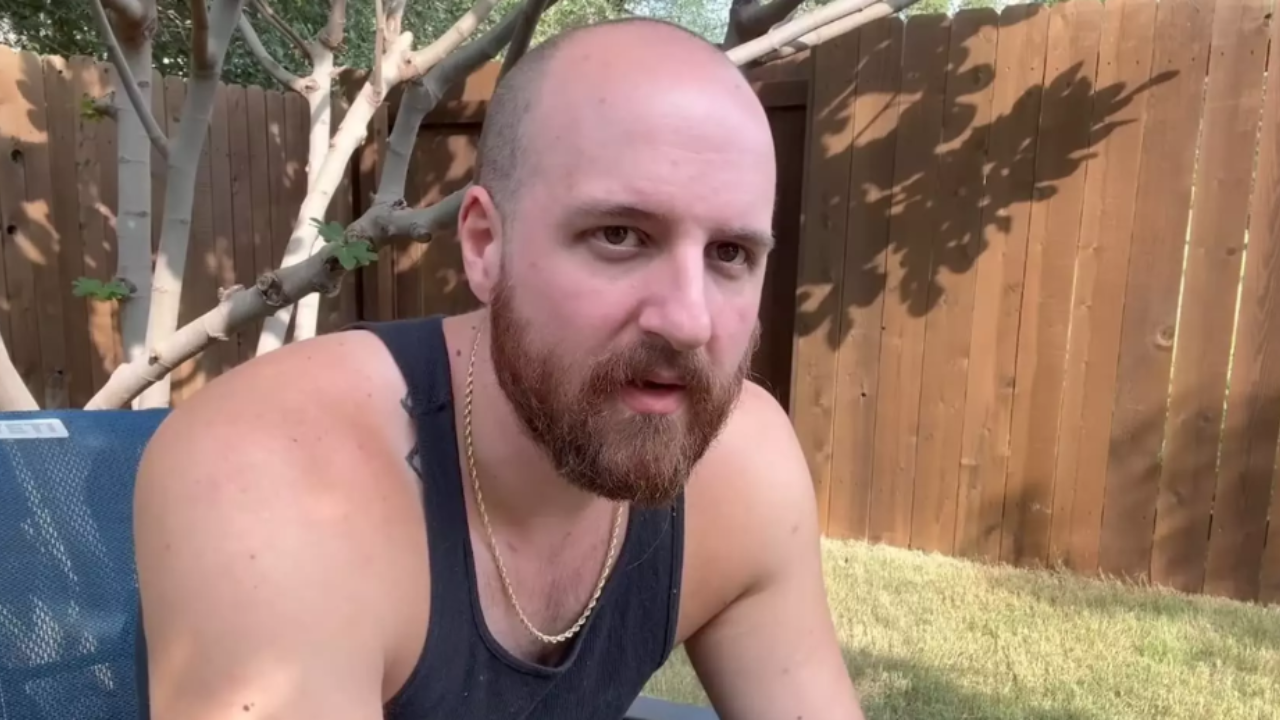
The facade of the modern talent agency in the streaming world is starting to crack, and the debris is landing squarely on the shoulders of creators who trusted the wrong people. While the industry has spent weeks whispering about the internal collapse of Clavicular, the silence was finally broken by the organization following a series of damning accusations from one of its most visible stars. VarisG didn’t just leave the agency; he burned the bridge on his way out during a high-stakes weekend in Miami that exposed the predatory nature of "revolutionary" talent contracts.
At the heart of this dispute is a fundamental misunderstanding of what a talent agency is supposed to do. In the gold rush of the creator economy, entities like Clavicular have repositioned themselves as lifestyle brands rather than service providers. They promise growth, high-end production, and lucrative brand deals in exchange for a staggering percentage of a creator's autonomy. VarisG’s account of the Miami events paints a picture of an agency more interested in using its talent as props for its own branding than in securing the financial future of the individuals it represents.
The Miami incident was the catalyst. It wasn't just a disagreement over a hotel bill or a missed appearance. It was the moment the power dynamic shifted.
The Miami Incident and the Illusion of Support
When Clavicular invited its top-tier roster to Miami, the pitch was simple: networking, content creation, and "exclusive" access to brand partners. The reality was a logistical nightmare that forced creators to choose between their personal brand and the agency’s demands. VarisG alleges that the agency failed to provide the promised infrastructure, leaving talent to scramble for basic necessities while the organization’s leadership focused on high-visibility parties.
This is a recurring theme in the gaming and streaming sector. Agencies often over-leverage their resources to maintain a "premium" image. They spend the money on the venue and the aesthetic but skimp on the actual support staff that makes a creator's life easier. When VarisG pushed back against the lack of organization, the response from Clavicular was not a solution, but a reminder of the "loyalty" he supposedly owed them.
Loyalty in this industry is a one-way street.
The agency’s eventual public statement was a masterclass in corporate deflection. They spoke of "misunderstandings" and "evolving business models," but they failed to address the core grievance: the contract. VarisG revealed that the terms he was under were not just restrictive—they were arguably unenforceable in several jurisdictions. We are talking about revenue splits that favored the agency even on deals the creator brought to the table themselves.
The Predatory Nature of the Modern Creator Contract
To understand why VarisG walked away, you have to look at the fine print that Clavicular and its ilk rely on. These contracts are often designed to prey on young talent who are overwhelmed by their own sudden success. They see a big name and a flashy office and sign away their digital lives without a second thought.
The Content Ownership Trap
One of the most egregious clauses in the Clavicular documents involves the ownership of Intellectual Property (IP). Most agencies are content with a commission on deals they broker. Clavicular, however, attempted to claim a stake in the "persona" of the creator. This means that if VarisG wanted to launch a separate brand or move to a different platform, the agency could theoretically claim a percentage of that new venture simply because they "helped build" the original audience.
The Exclusivity Stranglehold
Then there is the issue of exclusivity. In a healthy partnership, exclusivity is a trade-off for guaranteed income. In the Clavicular model, VarisG was barred from working with outside partners even if the agency failed to provide their own leads. This effectively put a ceiling on his earning potential while the agency took its time "vetting" opportunities that often never materialized.
Why the Agency Model is Failing Creators
The fallout between VarisG and Clavicular is not an isolated event. It is a symptom of a broader rot in the influencer management space. Many of these agencies are started by people with zero background in traditional talent management or law. They are often former creators or "grindset" entrepreneurs who believe that having a large social media following qualifies them to manage millions of dollars in career earnings.
They lack the fiduciary responsibility that is standard in the film or music industries. There are no unions here. No SAG-AFTRA to protect a streamer from a 50% commission rate. It is the Wild West, and the outlaws are the ones holding the pens.
The Clavicular defense hinges on the idea that they provide "value-add" services like editors, thumbnail artists, and studio space. But as VarisG pointed out, the cost of these services when deducted from his earnings was three times the market rate. The agency wasn't providing tools; they were running a company store.
The Economic Reality of the Miami Trip
The Miami trip was meant to be a showcase of Clavicular’s dominance. Instead, it became a glaring example of financial mismanagement. Sources close to the situation suggest that the agency was operating on thin margins, counting on the Miami "activations" to trigger payouts from sponsors that were already wavering. When VarisG went rogue and started telling the truth on his stream, those sponsors didn't just hesitate—they vanished.
The irony is that Clavicular’s attempt to silence VarisG only accelerated their decline. In the streaming world, authenticity is the only currency that matters. Once a creator’s audience perceives that the creator is being manipulated or exploited by a "suit," the brand becomes toxic. VarisG knew this. By breaking his silence, he protected his relationship with his viewers at the expense of his relationship with his management. It was a calculated risk that has already begun to pay off as other creators begin to audit their own contracts with the firm.
The Survival of the Fittest in Talent Management
What happens next for Clavicular is predictable. They will likely rebrand or attempt to pivot into a different niche, but the stain of the VarisG revelations will follow them. The industry is currently seeing a flight to quality. Professional firms with actual legal departments and transparent accounting are seeing an influx of talent who are tired of the "vibe-based" management style that led to the Miami disaster.
Creators are finally realizing that they are the ones with the power. An agency without talent is just an empty office with a neon sign.
The lesson for any streamer currently looking at a contract is simple: if the agency talks more about "family" and "lifestyle" than they do about your bottom line and IP ownership, run. The Miami fallout proved that when the lights go down and the party ends, you are the only one who will be left holding the bill.
If you are a creator currently signed to a multi-year deal with an agency like Clavicular, your first move should be a third-party legal audit of every document you’ve signed. Do not rely on the agency’s "in-house" counsel. They do not work for you; they work for the entity that owns your content. Demand a full accounting of all "administrative fees" and "production costs" deducted from your payouts over the last twelve months. If the numbers don't add up, or if they refuse to show you the receipts, you have your answer.