You probably spent your weekend trying to ignore the news, but the world had other plans. While you were grabbing coffee or catching up on sleep, two massive events just rewrote the script for the rest of 2026. On one hand, we have the triumph of the Artemis II mission proving humans can actually handle deep space again. On the other, a geopolitical train wreck in the Strait of Hormuz is about to make your next gas station visit a lot more painful.
If you feel like the news cycle is moving too fast to track, you aren't alone. But these stories aren't just "headlines"—they’re the kind of shifts that impact your wallet, your security, and frankly, our species' resume.
The Moon is officially back in play
NASA just reminded us that we aren't stuck on this rock forever. The Integrity capsule splashed down in the Pacific on Sunday, successfully returning the four-person Artemis II crew from the furthest point humans have ever traveled into deep space. They didn't just loop around the Moon; they tested every life-support system required to make a permanent lunar presence possible.
This wasn't just a 10-day joyride. It was the ultimate stress test. The crew returned in "excellent shape," which basically green-lights the next phase: actually putting boots on the lunar surface. We haven't done that since 1972. Think about that for a second. We’ve spent decades in low Earth orbit, but this weekend proves the "Apollo era" wasn't a fluke. We're going back, and this time, it's not a race—it's a move.
Energy markets are screaming over the Hormuz Blockade
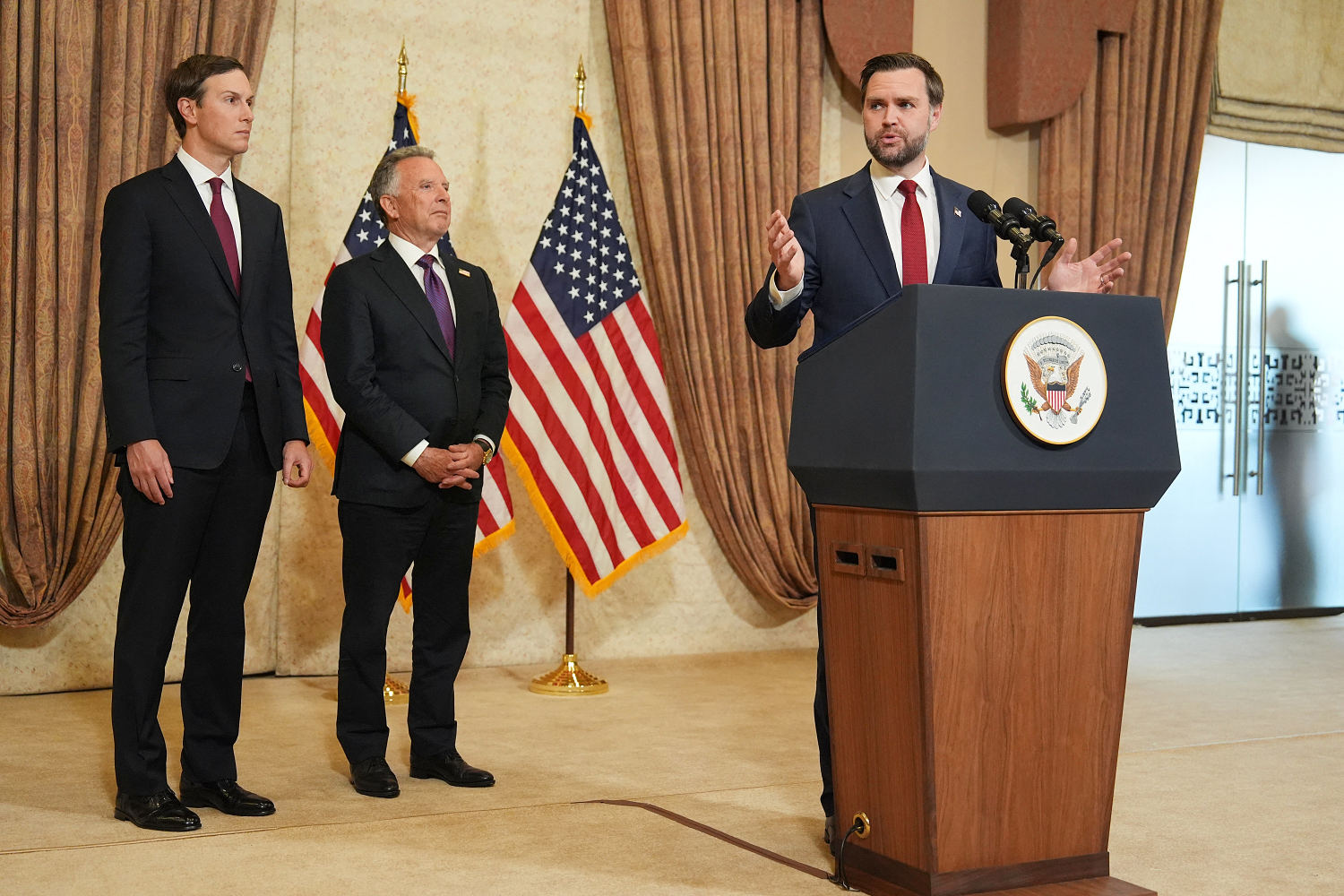
While NASA was celebrating, the situation in the Middle East took a sharp turn toward the chaotic. Diplomacy didn't just stall; it collapsed. Following the breakdown of nuclear talks in Islamabad, the U.S. has initiated a naval blockade of the Strait of Hormuz.
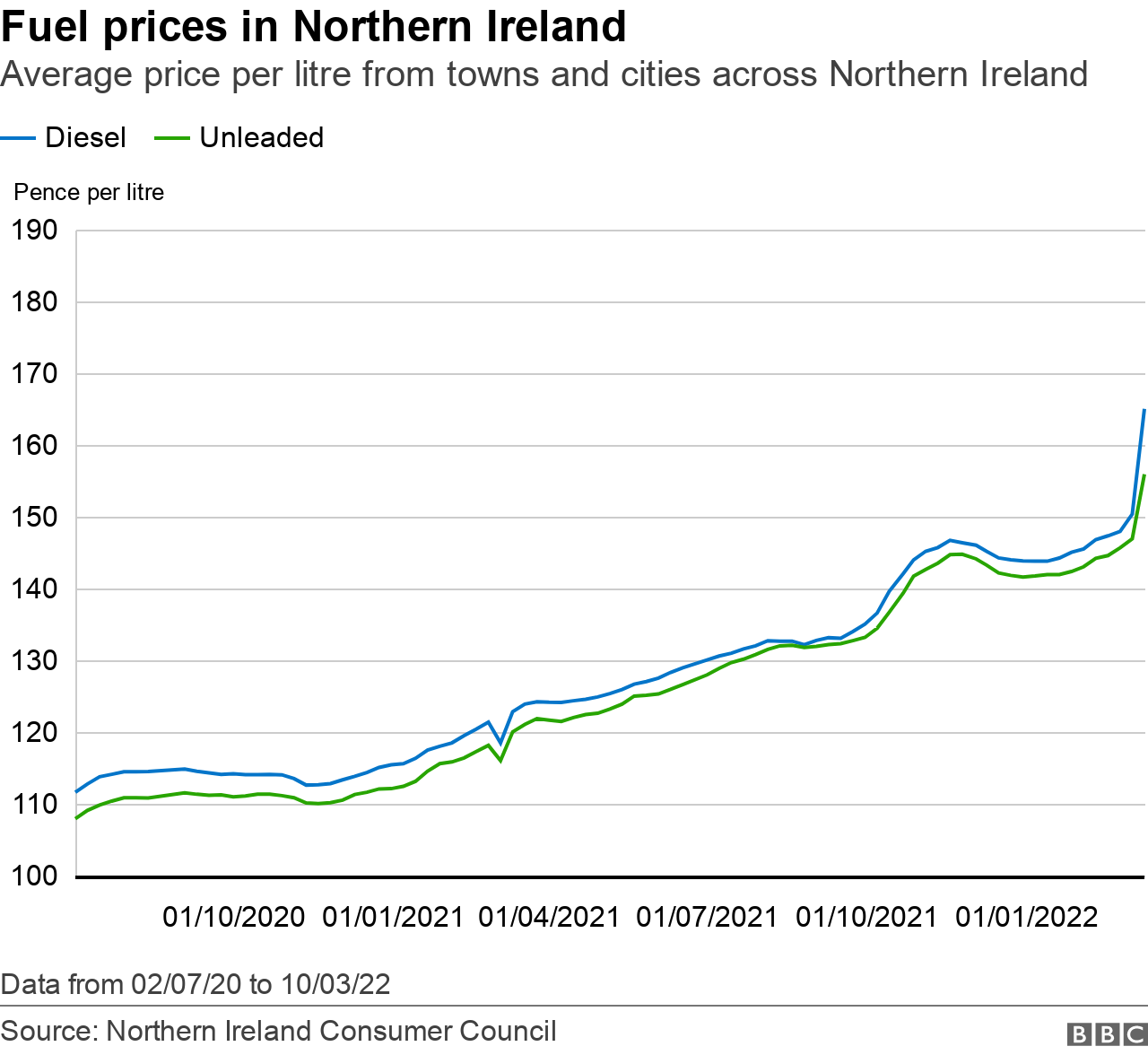
If that sounds like technical military jargon, let me break it down. Roughly 20% of the world's oil flows through that tiny strip of water. When that tap gets tightened, global markets don't just react—they panic. We're already seeing crude tankers making U-turns and 172 ships rerouting toward the U.S. Gulf Coast.
The ceasefire that everyone hoped would stabilize the region is effectively dead. For you, this means energy costs are going to spike. For the global economy, it means logistics disruptions that will likely hit everything from your grocery bill to your Amazon deliveries. China's export machine is already feeling the pinch, with freight forwarders struggling to navigate the escalating costs of shipping around the conflict zone.
The tech war just hit the data centers
If you think the trade war is just about chips and TikTok, look at what the FCC did this weekend. The U.S. Federal Communications Commission is now moving to bar Chinese telecom operators from running data centers on American soil.
This is a massive escalation. It’s no longer about who makes your phone; it’s about who controls the infrastructure your data lives on. China Mobile and China Unicom are the primary targets here. The goal is to prevent US companies from connecting to Chinese protocols entirely. It’s a "digital iron curtain" scenario that’s going to force every major tech firm to pick a side and rebuild their back-end systems.
Meow Wolf gets a digital brain
On a lighter but equally weird note, the immersive art giant Meow Wolf just tapped Matthew Henick as their new CEO. Why does this matter? Henick is a veteran from Meta and Epic Games.
This tells us exactly where entertainment is headed. Meow Wolf isn't content with just being a "cool place to visit" in Santa Fe or Vegas. They're looking to merge physical art with digital ecosystems. If you’ve ever wanted to step into a video game that actually exists in physical space, this is the hire that makes that happen. It’s a signal that "fandom" in 2026 isn't about watching a show—it's about living inside the IP.
What you need to do now
The world is a bit louder today than it was on Friday. You don't need to panic, but you do need to be smart.
- Watch your energy exposure. If you've been putting off a more fuel-efficient vehicle or home energy upgrades, the Hormuz crisis just made those projects a priority.
- Audit your tech stack. If you're running a business that relies on international data protocols, keep a close eye on the FCC's final ruling. The "splinternet" is becoming a reality faster than predicted.
- Keep an eye on the Moon. Artemis III is the big one. Now that the II crew is safe, the timeline for the first woman and person of color on the Moon is officially moving forward.
The weekend is over, but the fallout from these 48 hours is just starting. Stay sharp.